

For packaging and logistics buyers, choosing the right desiccant is critical to avoid cargo damage from condensation, mold, rust and mildew during ocean shipping and storage. Calcium chloride desiccant and silica gel are two widely used moisture absorbers, but they differ greatly in absorption capacity, cost performance and suitability for container transport. This guide helps packaging & logistics customers select the correct desiccant according to their cargo and transit conditions.
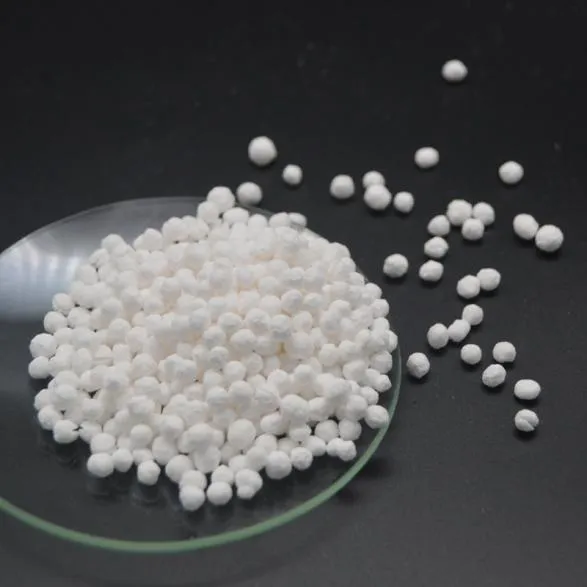
1. Moisture Absorption Mechanism & Capacity
Calcium Chloride Desiccant It works via chemical deliquescence. Calcium chloride captures water vapor and turns it into gel inside the sealed pouch, locking moisture permanently. Under high humidity (70–90% RH), its absorption capacity can reach 200–300% of its own weight. It keeps absorbing moisture continuously even with temperature fluctuations inside shipping containers.
Silica Gel Desiccant Silica gel uses physical adsorption. Water vapor sticks to the pores of silica gel beads. Its maximum absorption capacity is only 20–35% of its own weight. Once pores are fully saturated, it stops absorbing. When temperature rises, it may release trapped moisture back into the air, which is risky for long ocean voyages.
2. Cost Comparison
When calculating cost per unit of absorbed water, calcium chloride delivers much better value.
Calcium chloride: Higher moisture capture per kg, less quantity required for one full container. Lower total cost for bulk logistics and sea freight projects. It is disposable.
Silica gel: Higher unit price. It can be regenerated and reused by heating, but for large container dehumidification, you need huge weight of silica gel, which pushes up total material and freight cost.
Key point: If your main goal is container anti-condensation for long overseas shipment, calcium chloride is more economical. Silica gel is cost-effective only for small sealed boxes and short-distance transport.
3. Performance for Container Moisture Control (Ocean Freight)
Container rain / container condensation is the biggest headache for exporters. Large temperature swings on sea routes cause water vapor to condensate inside the container, damaging furniture, leather, textiles, metal goods. ✅ Calcium chloride desiccant for shipping containers Designed for high-humidity, long-duration sea transport. It maintains stable moisture absorption over 30–90 days of transit. The gel-locking pouch prevents water leakage when properly packaged. It is widely used as hanging container desiccant strips for 20ft /40ft containers.
✅ Silica gel limitation for full containers Silica gel saturates quickly. It cannot handle the massive amount of water vapor inside a full container. It is suitable for small carton-level protection inside the box, not for overall container humidity control.
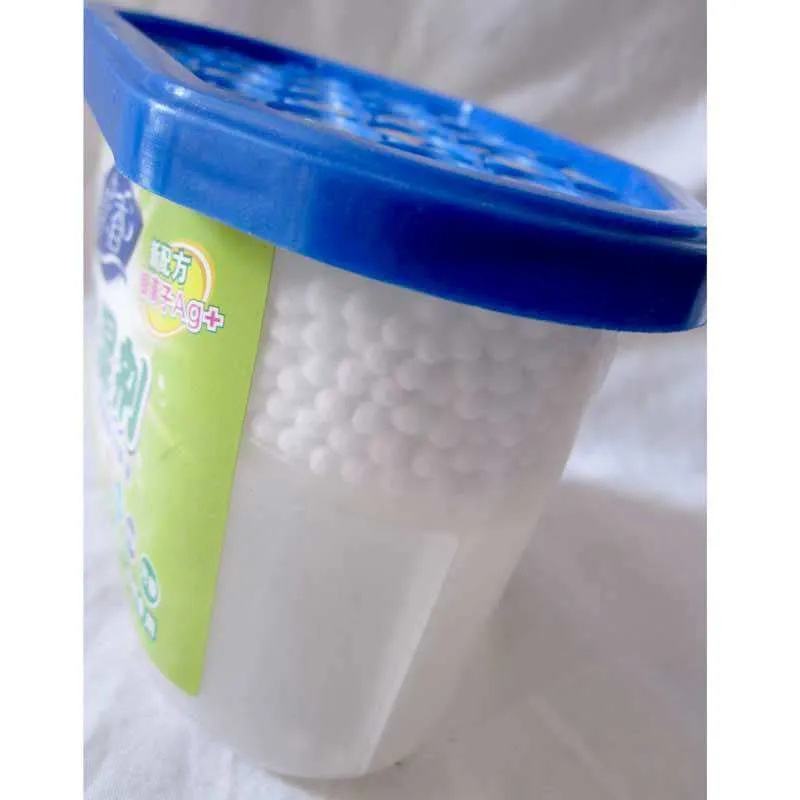
4. Suitable Application Scenarios
Calcium Chloride Desiccant Best For
20GP /40GP /40HQ sea container long-haul shipping
Bulk cargo: furniture, leather, textiles, metal parts, building materials
High humidity warehouse storage
Large space moisture control for export logistics
Silica Gel Best For
Small individual product packaging, carton inner sachets
Electronics, precision instruments, pharmaceutical products
Short transit, low humidity environment
Products requiring direct safe contact with desiccant
5. Our Supply Service
We supply high-performance calcium chloride container desiccants in hanging strip and pouch forms. Custom size, weight and OEM private label are available. All products use leak-proof non-woven fabric to avoid liquid leakage. Silica gel packets can also be provided for small packaging needs. Free samples are available for testing before bulk order.
Contact Us
Share your cargo type, container quantity and transit time. Our team will recommend the most suitable desiccant solution and offer competitive pricing for your packaging & logistics project.