

Calcium chloride (CaCl₂) is a versatile inorganic salt widely used in environmental water treatment and oilfield drilling operations. It is available in anhydrous, dihydrate forms, as flakes, pellets and powder. This article explains its working principles, core benefits and practical selection tips for water treatment and oil & gas drilling fluid projects.
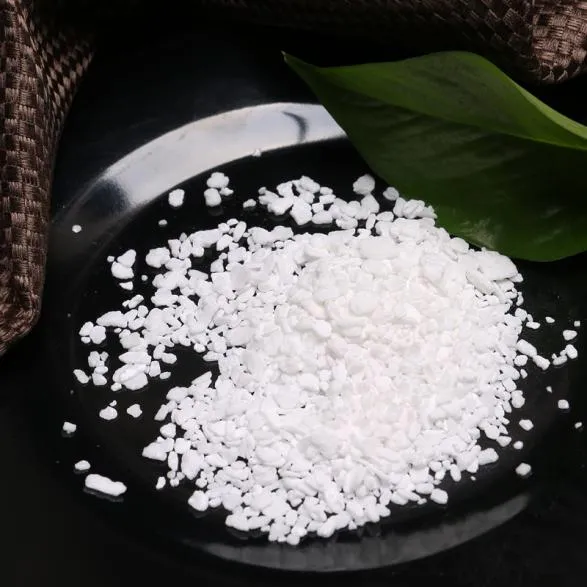
1. Calcium Chloride for Industrial Water & Wastewater Treatment
Calcium chloride supplies calcium ions to precipitate harmful anions in wastewater. It is commonly used for fluoride removal, phosphate reduction, heavy metal precipitation and coagulation aid.
Fluoride removal: Ca²⁺ reacts with fluoride ions to form insoluble calcium fluoride (CaF₂) precipitate. Widely adopted in semiconductor, photovoltaic, electroplating and chemical plant wastewater to meet discharge standards.
Phosphate removal: Reacts with phosphate ions to form calcium phosphate solids, lowering total phosphorus and preventing water eutrophication.
Heavy metal & suspended solids removal: Acts as coagulant aid to destabilize colloids, precipitate heavy metals and improve sedimentation efficiency. It also breaks emulsified oil for oily wastewater treatment.
Water hardness adjustment & corrosion control: For circulating cooling water systems, calcium chloride stabilizes water hardness and reduces pipeline corrosion.
Selection tip: Dihydrate calcium chloride flakes or pellets are preferred for most wastewater treatment. Stable purity guarantees consistent precipitation effect.
2. Calcium Chloride in Oil & Gas Drilling Fluids
Calcium chloride is a critical additive for water-based and oil-based drilling mud, completion brines and workover fluids. Its main functions are shale inhibition, wellbore stabilization and density adjustment.
Shale & clay inhibition: Divalent calcium ions exchange with sodium ions on clay surfaces, compress the electric double layer and suppress clay hydration and swelling. It prevents shale sloughing, hole collapse and stuck pipe in active shale formations.
Increase brine density: High solubility allows engineers to prepare clear brine fluids with adjustable density, balancing formation pressure and mitigating blowout risks.
Reduce fluid loss: Helps form a compact filter cake on borehole walls, cutting filtration loss and protecting the reservoir formation.
Cement accelerator: Speeds up cement setting and early strength development during well cementing operations.
Selection tip: Oilfield projects usually require high-purity calcium chloride pellets or powder. Purity and dissolution speed are critical for stable brine preparation.

3. Product Forms & Packaging Options
We supply calcium chloride in multiple forms:
Anhydrous CaCl₂ powder / pellets (94% min)
Dihydrate CaCl₂ flakes / pellets (74% min) Packaging: 25kg PE lined woven bags, 1000kg jumbo bags. OEM packaging and private labels are available.
4. Why Choose Our Calcium Chloride
Consistent purity, each batch with COA certificate for quality traceability
Multiple forms and particle options for water treatment and oilfield applications
Bulk supply capacity, flexible MOQ for trial and large orders
Export-ready packaging, familiar with global logistics and customs requirements
Free samples available for lab testing before mass shipment
Contact Us
Share your project details: water treatment / oilfield drilling, target purity and preferred form (flake, pellet, powder). Our technical team will recommend suitable calcium chloride grades and offer competitive bulk pricing.