

Industrial soda ash (light and dense soda ash) features strong hygroscopicity, which makes moisture absorption and caking the most common quality hazards during bulk storage and ocean transportation. Even high-purity qualified soda ash will tend to develop lumps and hard agglomerates when exposed to humid air, temperature fluctuations or long-distance sea freight. Uncontrolled caking issues may likely cause uneven dosing, pipeline blockage, reduced reaction efficiency and batch quality inconsistency for downstream production.
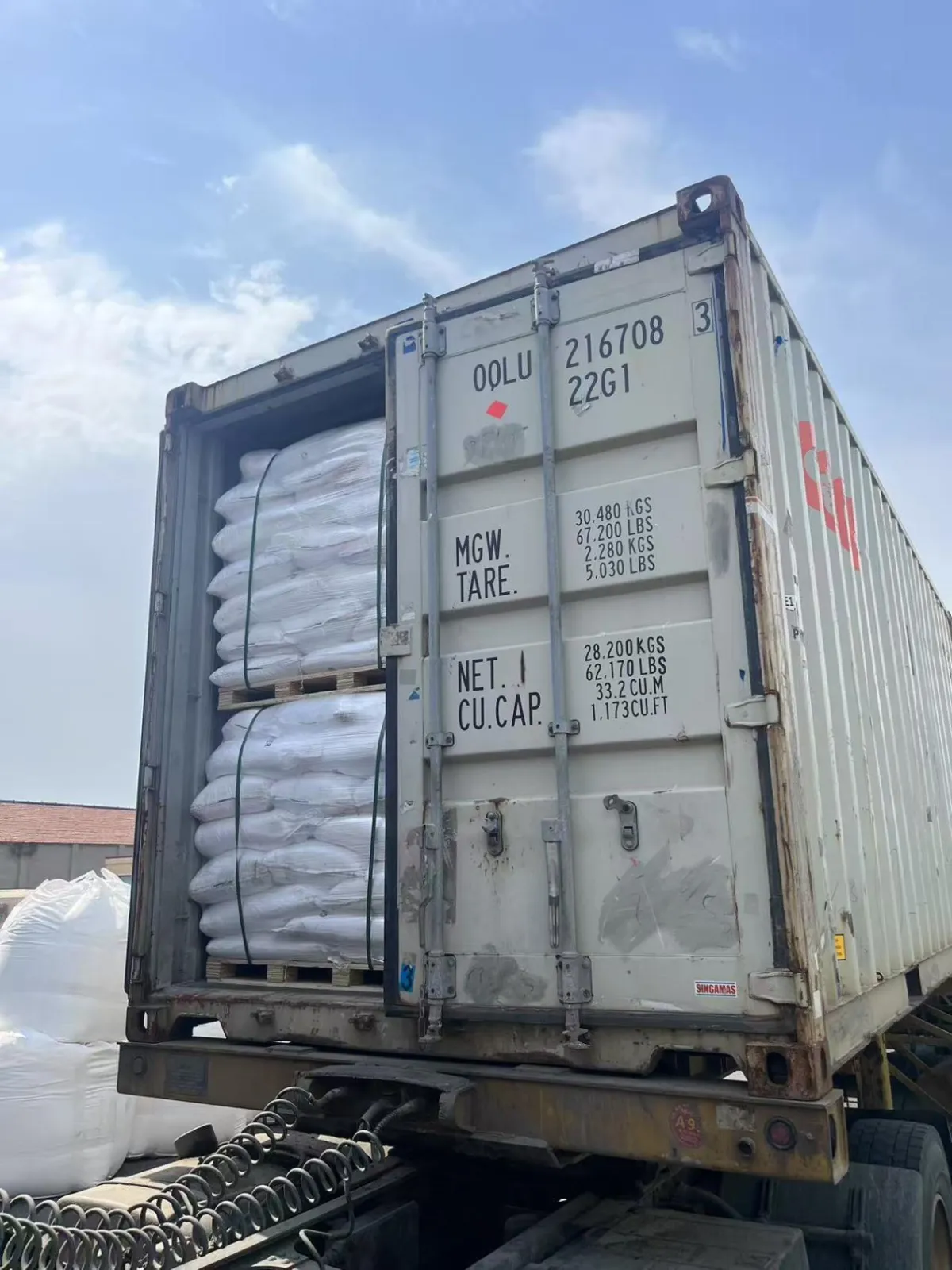
1. Core Hazards of Soda Ash During Storage & Transit
1.1 Moisture Absorption & Progressive Caking
Soda ash is highly hygroscopic. When ambient relative humidity rises above 60%, the powder and granular surfaces will likely absorb water vapor rapidly. During long-term stacking or container shipping, hydrated crystallization tends to occur, forming hard lumps and layered compaction. Light soda ash, in particular, with its larger specific surface area, tends to be more susceptible to moisture caking compared with dense soda ash.
1.2 Temperature-Driven Agglomeration
Severe temperature differences between day and night during ocean shipping will likely produce container condensation. The alternating hot and cold environment tends to accelerate soda ash hydration, turning loose materials into solid blocks that are difficult to break during unloading and production dosing.
1.3 Dust Pollution & Material Segregation
Frequent handling and long-distance vibration may cause particle segregation. Fine powder and coarse granules separate gradually, which tends to result in inconsistent component proportion during industrial batching. Light soda ash is more likely to generate dust, bringing potential workshop safety and cleaning risks.
1.4 Long-Term Stacking Degradation
Overstocked and long-stored soda ash tends to suffer from dead-weight compaction. Bottom-layer materials may form massive hard blocks, increasing waste rate and processing difficulty for end users.
2. Root Causes of Soda Ash Caking in Export Shipping
High sea humidity: Ocean freight environments tend to maintain high humidity throughout the voyage, increasing moisture invasion probability.
Container sweating: Temperature difference between inland loading ports and destination regions will likely trigger internal condensation inside sealed containers.
Unqualified packaging: Ordinary woven bags without PE inner liners tend to allow water vapor penetration during long-haul transportation.
Extended storage cycle: Delayed shipment, port detention or slow customer warehousing turnover tend to worsen caking conditions.
3. Practical Moisture Caking Mitigation & Prevention Solutions
3.1 Export-Grade Packaging Upgrade
For cross-border bulk orders, double-layer packaging (PP woven bag + thick PE inner liner) is strongly recommended. This structure can effectively isolate external water vapor and will tend to minimize moisture absorption risks during sea transportation. Premium export orders may adopt moisture-proof film wrapping and desiccant placement for extra protection.
3.2 Standardized Warehouse Storage Rules
Store soda ash in dry, ventilated and rainproof warehouses; avoid open-air stacking.
Keep stacking height reasonable to reduce bottom compaction deformation.
Maintain indoor relative humidity below 55% as much as possible, which tends to greatly lower hygroscopic activity.
Adopt first-in first-out (FIFO) inventory management to avoid long-term stockpiling.
3.3 Professional Container Loading & Shipping Arrangement
Choose dry and clean containers without water stains or mildew before loading.
Place container desiccants reasonably for long ocean voyages to reduce condensation.
Avoid shipment seasons with extreme high temperature and humidity if possible, which may reduce caking probability.
3.4 On-Site Handling Guidance for Buyers
After cargo arrival, buyers tend to achieve better quality retention by completing unloading and sealed warehousing within 48 hours. It is advisable to avoid prolonged exposure of unpacked soda ash to humid ambient air. Minor soft lumps formed during transportation can usually be crushed by conventional industrial screening equipment without affecting normal use.
4. Difference: Light Soda Ash vs Dense Soda Ash Caking Risk
Light soda ash with fine powder texture tends to have higher hygroscopicity and caking risk, requiring stricter packaging and storage standards. Dense soda ash with uniform granular structure features better stability, lower dust generation and stronger moisture resistance during shipping and storage, which is more suitable for long-distance bulk export and long-cycle inventory standby.