

Introduction
Calcium chloride is a versatile hygroscopic chemical widely used in de-icing, dust control, concrete antifreeze, water treatment, food processing, and industrial drying. It is commercially available in three mainstream physical forms: flake, prill (granule), and powder.
Many buyers overlook the critical differences between these forms and simply purchase by price. However, particle shape directly affectsdissolution speed, dust generation, automated feeding compatibility, anti-caking performance, and storage stability. Choosing the wrong form leads to material waste, equipment blockage, workshop pollution, and unstable production quality.
This guide compares flake, prill, and powder calcium chloride in core application indicators to help you select the most cost-effective and process-matching form for your scenario.
1. Core Performance Comparison: Flake vs Prill vs Powder
1.1 Dissolution Speed
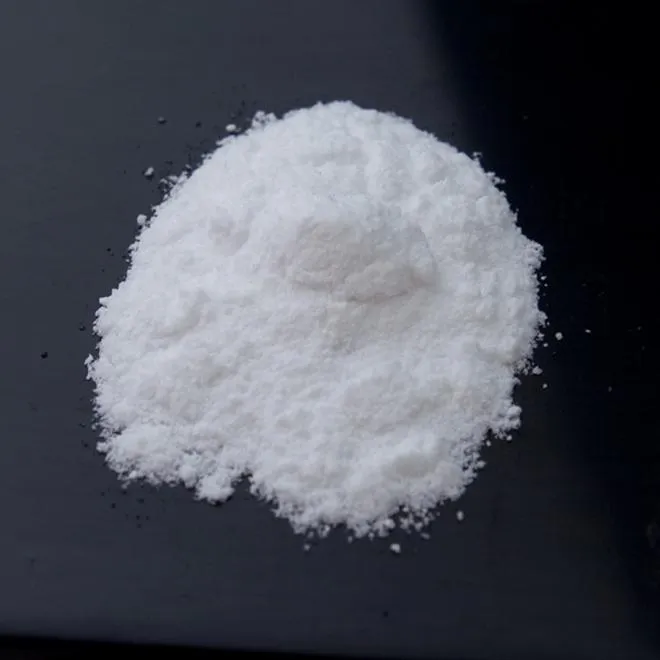
Powder (Fastest): Ultra-fine particle size with maximum specific surface area. It dissolves in water within 30–45 seconds with no residue, ideal for scenarios requiring instant concentration adjustment, such as rapid brine preparation and quick calcium supplementation.
Flake (Moderate & Uniform): Flat thin structure provides sufficient contact area with water. It dissolves steadily without local super-concentration, avoiding sudden temperature surges or solution imbalance. Suitable for large-volume and continuous dissolving processes.
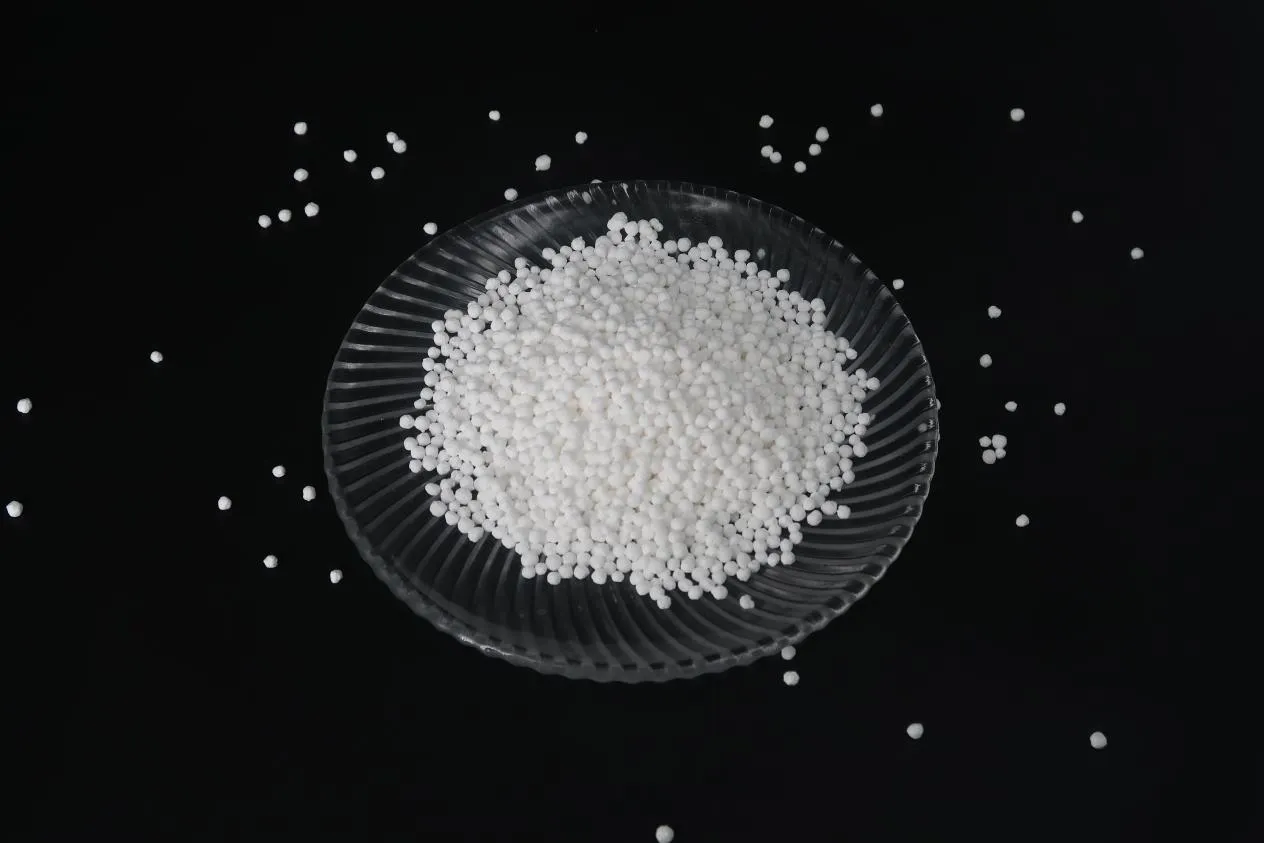
Prill (Stable & Slow Release): Round dense granules with minimum specific surface area. Dissolution is gentle and progressive, perfect for long-term continuous dosing scenarios that require stable solution concentration.
1.2 Dust Generation & On-Site Operation
Powder (High Dust): Fine particles produce obvious dust during pouring, conveying and feeding. It may cause workshop air pollution, operator respiratory irritation, and floating material loss. Not recommended for open-air or enclosed automated workshops with strict environmental standards.
Flake (Slight Dust): Larger and irregular flakes generate minimal dust compared with powder. It is safe for manual spreading and conventional feeding, with no serious pollution risks.
Prill (Zero/Low Dust): Round and smooth granular structure with no fine debris. It is the best low-dust option for indoor operation, automated assembly lines, and food-grade processing workshops, fully complying with industrial environmental protection requirements.
1.3 Automated Feeding & Conveying Adaptability
Prill (Most Suitable): Uniform round particles feature excellent fluidity, no bridging or blocking in pipes and hoppers. It perfectly matches screw conveyors, automatic dosing machines and quantitative feeding systems, achieving precise and unmanned feeding.
Flake (General Adaptability): Suitable for semi-automatic and manual feeding. Irregular shapes may cause minor stacking in narrow pipelines, requiring regular equipment inspection.
Powder (Poor Adaptability): Easy to compact and bridge in feeding equipment, resulting in uneven blanking and pipeline blockage. It is not recommended for fully automated continuous production lines.
1.4 Storage Stability & Anti-Caking Performance
Calcium chloride is highly hygroscopic; moisture absorption leads to caking, deterioration and reduced utilization rate.
Prill (Best Anti-Caking): Smallest specific surface area, minimal air contact area, not easy to absorb moisture. It remains loose after long-term storage and long-distance transportation, no need for secondary crushing.
Flake (Good Stability): Dense stacking structure, stable storage in dry environment, occasional slight caking in humid seasons (easy to break).
Powder (Worst Anti-Caking): Large specific surface area, extremely sensitive to humid air. It absorbs moisture rapidly and hardens into blocks, seriously affecting storage and reuse.
2. Application Scenario Matching Recommendation
Choose Powder Calcium Chloride If:
You need ultra-fast dissolution and instant solution concentration adjustment
Laboratory reagent preparation, rapid concrete coagulation, small-batch brine mixing
Short-term use with complete sealed feeding equipment
Choose Flake Calcium Chloride If:
Large-scale outdoor operation: road de-icing, mine dust control, road stabilization
Concrete antifreeze, conventional water treatment, general industrial auxiliary
Cost-sensitive bulk procurement with manual/semi-automatic feeding
Advantage: Highest cost performance, balanced dissolution, wide industrial compatibility
Choose Prill Calcium Chloride If:
Fully automated production lines, precise quantitative dosing requirements
Indoor closed operation, food processing, pharmaceutical auxiliary, high-standard environmental workshops
Long-distance transportation and long-cycle storage scenarios
Oilfield brine preparation, high-end refrigeration and drying systems
Advantage: Low dust, free-flowing, no blockage, stable storage
3. Frequently Asked Questions
Q1: Is powder calcium chloride better for faster dissolution?
Yes, powder has the fastest dissolution speed, but it comes with high dust and poor anti-caking performance. It is not suitable for long-term storage and automated large-scale production.
Q2: Why do automated production lines prefer prill calcium chloride?
Prills feature uniform particle size, excellent fluidity and low dust, which avoid pipeline bridging, equipment blockage and uneven feeding, ensuring stable and continuous industrial production.
Q3: Which form is most suitable for export and long-distance shipping?
Prill > Flake > Powder. Prill calcium chloride has the strongest anti-moisture and anti-caking ability, with the lowest product loss during long-term sea transportation.
4. Conclusion
There is no absolute "best" form of calcium chloride, only the most suitable one for your process. Powder prioritizes speed, flake prioritizes cost performance, and prill prioritizes stable automation and low pollution. Selecting the right physical form optimizes your production efficiency, reduces material loss, and lowers equipment maintenance costs.
We supply food-grade and industrial-grade calcium chloride in flake, prill and powder forms with stable quality and customizable packaging. Contact our team to get professional form selection guidance and customized solutions.