

Calcium chloride (CaCl₂) remains a versatile inorganic chemical widely applied in de‑icing & dust control, oil & gas drilling, water treatment, food‑grade processing and other industrial scenarios. From 2026 to 2030, global market dynamics will be shaped by end‑use demand shifts, regional policy adjustments and supply‑side changes from major producing countries. No absolute prediction is given below; all judgments use tentative language.
1. Demand Changes by Downstream Segments
De-icing & Dust Control
De‑icing and dust suppression tend to stay the largest consumption segments for calcium chloride globally. Cold‑climate regions will likely keep steady purchasing for winter road maintenance. Mining, quarry and unpaved‑road projects in emerging markets may expand dust‑control consumption. Nevertheless, stricter environmental rules on chloride runoff could somewhat restrain usage growth in parts of North America and Europe. Seasonal price volatility will tend to persist across this segment.
Oil & Gas Industry
Calcium chloride brines are commonly used for drilling‑fluid weight and borehole stabilization. If global upstream drilling activities recover moderately, CaCl₂ demand for oil‑gas completion fluids may see mild growth. Market consumption will likely swing along with capital expenditure cycles of energy operators. In regions with new well development such as the Middle East, Latin America and Southeast Asia, import requirements for industrial‑grade calcium chloride tend to rise.
Water Treatment
Calcium chloride works as pH adjuster, hardness regulator and flocculation auxiliary in industrial and municipal water treatment. Emerging‑economy infrastructure build‑outs will likely drive incremental demand. Mature markets tend to show stable rather than fast‑growing consumption.
Food‑Grade Calcium Chloride
Food‑grade CaCl₂ acts as firming agent, stabilizer and processing aid for cheese, canned vegetables and beverage production. With the expansion of global packaged‑food output, food‑grade volume is likely to increase gradually. Buyers tend to pay clear premiums for products with full food‑safety certifications. Regulatory updates in different territories may reshape qualification thresholds for cross‑border food‑grade trade.
.
2. China’s Export & Supply Landscape
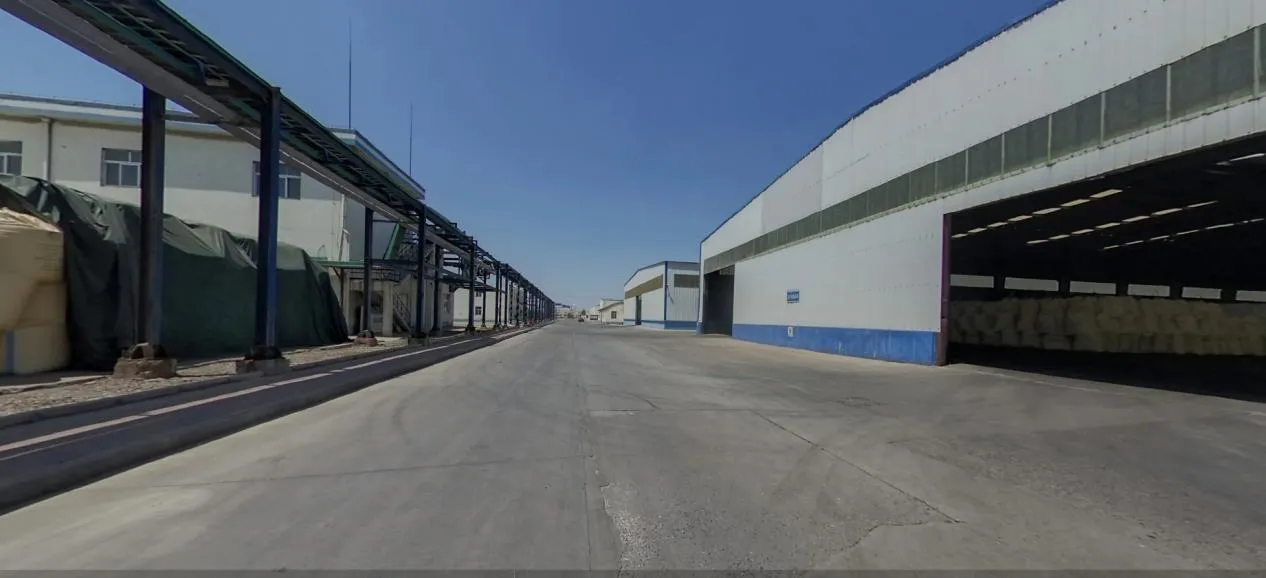
China is one of the world’s major calcium‑chloride suppliers, with abundant production capacity concentrated in northern coastal areas. Chinese manufacturers tend to deliver mixed product portfolios: anhydrous CaCl₂ ≥94%, dihydrate 74%, liquid calcium chloride, covering industrial and food‑grade specifications.
• Industrial‑grade bulk exports will likely remain the core of overseas sales, flowing toward Southeast Asia, Middle East, Latin‑America and South‑Asia markets.
• High‑purity food‑grade volumes tend to expand slowly, yet face higher certification and compliance barriers for global market access.
• Freight fluctuation, raw‑material cost variation and international environmental regulations may continuously influence China’s export competitiveness.
• The domestic industry may tend toward further capacity consolidation; qualified producers with stable batch consistency will likely gain more international client recognition.
3. Key Market Risks & Observations (2026‑2030)
1. Weather uncertainty will likely create yearly fluctuation for de‑icing demand.
2. Energy‑sector investment cycles may swing oil‑gas‑related calcium chloride consumption.
3. Evolving chemical environmental standards tend to raise compliance costs for both suppliers and end buyers.
4. Regional capacity expansion from competing producing areas may reshape global trade flows.
Closing
Over 2026‑2030, the global calcium‑chloride market will tend toward steady rather than explosive growth. Downstream structural shifts, certification requirements and supply‑chain costs will become major factors influencing cross‑border purchasing decisions. Importers are suggested to track grade stability, documentation completeness and logistics reliability when selecting suppliers.