

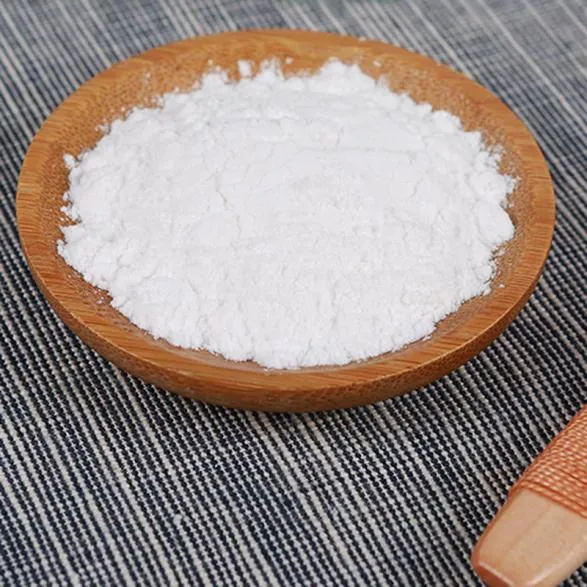
Sodium bicarbonate (NaHCO₃), commonly known as baking soda, is a widely preferred mild alkaline chemical for pH buffering across many industrial workflows. Unlike strong alkalis such as caustic soda that trigger sharp pH spikes, sodium bicarbonate stabilizes aqueous systems and resists sudden pH shifts when acids or bases are added. This predictable buffering performance makes it a trusted pH stabilizer for water treatment, fermentation, pharmaceutical production, textile processing and wastewater neutralization.
What Is a pH Buffer?
A pH buffer is a chemical system that absorbs extra hydrogen ions (H⁺) or hydroxide ions (OH⁻) to keep pH within a narrow target range. Many industrial processes cannot tolerate large pH swings: rapid acidification or over-alkalization damages equipment, ruins catalytic reactions, reduces product yield and violates discharge standards. The bicarbonate-carbonic acid equilibrium is one of the most cost-effective buffer systems for moderate alkaline environments around pH 6.5–8.5.
Main Industrial Applications
Industrial Wastewater & Water Treatment
Many factory effluents carry fluctuating acid loads. Sodium bicarbonate maintains stable pH to protect RO membranes, pipelines and meet environmental discharge limits. It is widely used for acid wastewater neutralization without aggressive pH surges.
Fermentation & Bioprocessing
Microorganisms including yeast and bacteria require steady pH. The bicarbonate buffer system stabilizes bioreactor environments, supporting consistent cell growth and target metabolite production.
Food & Pharmaceutical Manufacturing
Food-grade and pharma-grade NaHCO₃ works as a gentle pH buffer in beverage blending, extraction and formulation. It is non-toxic and compliant with most food safety regulations.
Textile & Paper Making
Dyeing, bleaching and pulp processing demand controlled alkalinity. Sodium bicarbonate keeps bath pH stable for uniform dye uptake and avoids fiber damage caused by strong alkali.
Flue Gas Treatment
In dry sorbent injection systems, sodium bicarbonate not only captures acidic flue gas pollutants but also helps stabilize the downstream scrubber water pH.
Sodium Bicarbonate vs Other pH Adjusters
Caustic Soda (NaOH): Strong base, fast pH rise, easy overshoot, high corrosion risk, requires precise dosing control.
Soda Ash (Na₂CO₃): Stronger alkalinity than bicarbonate, wider pH jump, less forgiving for sensitive buffer zones.
Sodium Bicarbonate (NaHCO₃): Mild, self-buffering, low corrosion, safer handling, ideal for stable pH maintenance between 6.5–8.5.
Key Advantages for Industrial Buyers
Gentle buffering action, prevents pH shock
Low hazard, easier storage and feeding
Food / industrial / feed grades available
Byproducts are non-toxic: CO₂, water and sodium salts
Compatible with most aqueous industrial systems
Cost-effective continuous pH stabilization
Summary
Sodium bicarbonate relies on the H₂CO₃ / HCO₃⁻ conjugate pair equilibrium to buffer industrial water-based systems. It absorbs both incoming acid and moderate alkali, locking pH in a safe, stable window. For facilities that need reliable, low-risk pH control instead of violent pH correction, NaHCO₃ is a practical and economical buffer solution.
If you need bulk sodium bicarbonate with stable quality and consistent particle size, contact our team for quotation and technical support.