

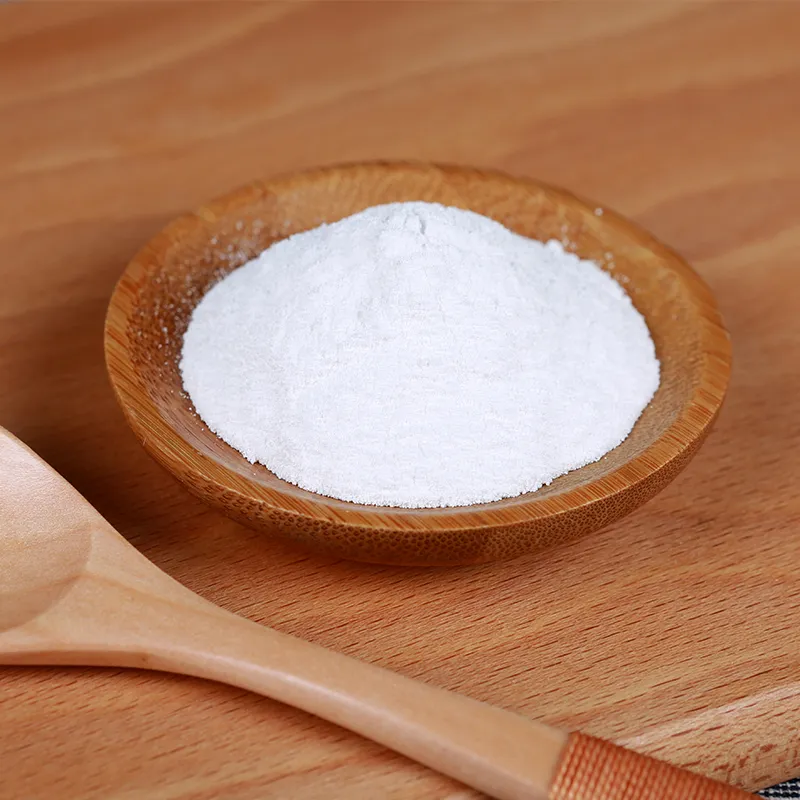
Sodium bicarbonate (NaHCO₃, CAS: 144-55-8), also known as baking soda, is widely traded in bulk for pH buffering, water treatment, flue gas purification, food and feed manufacturing. Many bulk importers, plant EHS managers and logistics teams ask one core question: Is sodium bicarbonate classified as hazardous goods under GHS and international shipping regulations?
The short answer: Sodium bicarbonate is NOT classified as a hazardous substance under the UN GHS Globally Harmonized System. It is non-dangerous cargo for sea, air and road transport (ADR, IMDG, IATA). It carries no mandatory hazard pictograms, no signal words and no formal hazard statements in standard SDS/MSDS documentsNational I....
That said, it is not “zero-risk”. Fine sodium bicarbonate powder can create airborne dust, which may bring mild mechanical irritation to eyes, nose and throat during bulk loading, unloading and powder transfer. This is a physical dust risk rather than a chemical toxicity hazard.
Core Information from Sodium Bicarbonate MSDS / SDS
A standard Safety Data Sheet (SDS, also called MSDS) for industrial sodium bicarbonate covers 16 standard sections required by GHS. For bulk buyers, these 5 sections deserve your closest review:
Section 2 – Hazard Identification GHS Classification: Not classified as hazardous. No hazard pictogram, no warning / danger signal word. Non-classified incidental risk: Fine dust may cause mild eye and respiratory tract irritation after prolonged or high-concentration exposure.
Section 4 – First-Aid Measures
Inhalation: Move the exposed person to fresh air. If coughing or discomfort continues, seek medical help.
Eye contact: Flush eyes continuously with clean running water for several minutes; remove contact lenses if easy to take out. Consult a doctor if irritation persists.
Skin contact: Rinse skin with water. It rarely causes skin irritation under normal use.
Ingestion: Drink plenty of clean water. Do not induce vomiting. Seek medical attention only if a very large amount is swallowed.
Section 5 – Fire Fighting Measures Sodium bicarbonate is non-combustible. It will not ignite or support combustion. If surrounding materials catch fire, use regular fire extinguishing agents suitable for the surrounding fire source. When heated above 50°C for a long time, it slowly decomposes and releases carbon dioxide.
Section 7 – Handling & Storage
Storage: Keep sealed, dry, away from strong acids and acidic materials. Acids will react with NaHCO₃ and release CO₂ gas.
Warehouse condition: Cool, dry and well-ventilated warehouse; avoid direct moisture, rain and high humidity, to prevent caking.
Bulk operation: Control dust generation during loading, unloading and conveying. Local exhaust ventilation is recommended for powder workshops.
Section 6 – Accidental Release Measures (Spill Control) For bulk spillage: Stop spreading dust by gentle moistening if possible. Sweep powder into closed containers for recovery. Clean residual powder with large volumes of water. Prevent a large amount of powder from entering drainage systems and surface water.
Transport Classification for Bulk Shipment
UN Number: Not assigned
ADR / RID (road transport): Not dangerous goods
IMDG (sea freight): Not dangerous goods
IATA (air freight): Not dangerous goods
This is a major advantage for bulk buyers: no special dangerous goods declaration, no DG packaging or special dangerous cargo surcharges for container shipments.
Recommended PPE for Bulk Handling
Even though it is non-hazardous, standard personal protective equipment is recommended for workers in bulk loading sites:
Safety goggles (to block flying dust)
Disposable dust mask for powder operation
Work gloves and work clothes to avoid long-time dust contact Do not require heavy chemical-resistant suits or respirators for normal handling.
Compatibility Warning: Incompatible Materials
Sodium bicarbonate reacts exothermically with strong acids (hydrochloric acid, sulfuric acid, nitric acid) and acidic salts, generating carbon dioxide gas. ✅ Storage rule: Separate storage from acid chemicals. Do not mix in the same storage bin or transfer pipeline.
FAQ for Bulk Buyers
Q1: Do I need to file dangerous goods declaration for sodium bicarbonate containers?
A: No. It is non-DG cargo for most countries. But always attach the official SDS/MSDS from your supplier with each shipment for customs and plant EHS check.
Q2: Is food-grade sodium bicarbonate safer than industrial grade?
A: GHS hazard classification is identical. The difference lies in heavy metal and impurity limits for food contact, not chemical danger level.
Q3: Will sodium bicarbonate corrode steel or plastic equipment?
A: Under normal working pH range, sodium bicarbonate is low-corrosion to carbon steel, PP and HDPE. Long-term hot concentrated solutions may accelerate mild corrosion.
Summary
Sodium bicarbonate (NaHCO₃) is a low-risk industrial chemical, not a hazardous substance by GHS rules. It can be shipped as ordinary bulk cargo without dangerous goods restrictions. The only practical risk is dust irritation during bulk powder operations. Following MSDS handling guidance, simple dust control and basic PPE will keep your workers and logistics process safe.
Before placing bulk orders, ask our team for the latest official SDS/MSDS, product specification and shipment documents for customs and EHS review.