

Light vs Dense Soda Ash: How To Pick Correct Grade For Glass, Detergent and Water Treatment
Light soda ash and dense soda ash share the exact same chemical composition (Na₂CO₃) and similar purity standards, so industrial buyers tend to treat them as interchangeable raw materials. In actual industrial production, however, their differences in bulk density, particle size, flowability and dissolution speed will likely lead to distinct production efficiency, product quality and operational costs. Choosing the wrong grade may cause dust pollution, uneven reaction, unstable finished product quality and increased waste.
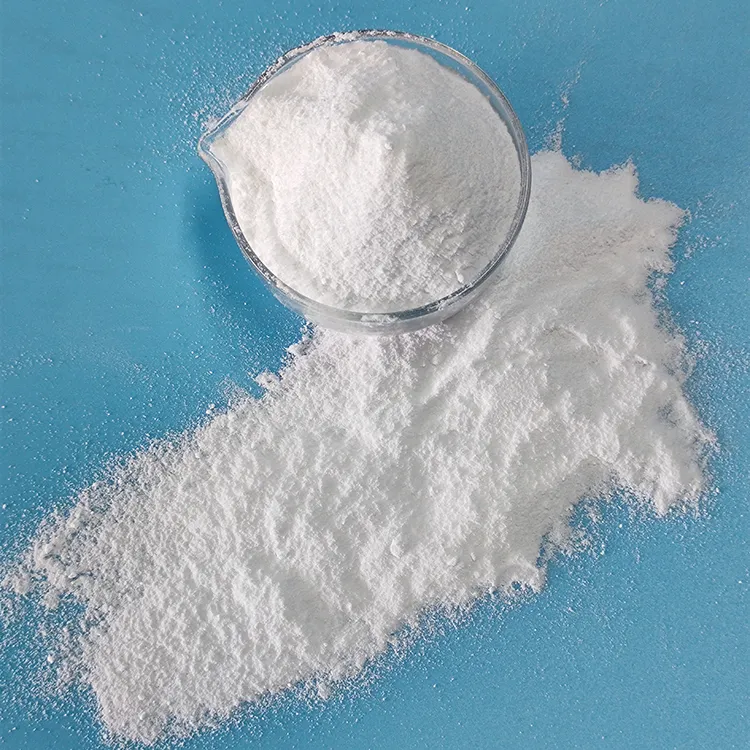
1. Fundamental Physical Differences Between Light and Dense Soda Ash
The core distinction between the two grades lies in physical characteristics rather than chemical properties, which fundamentally determines their applicable industries.
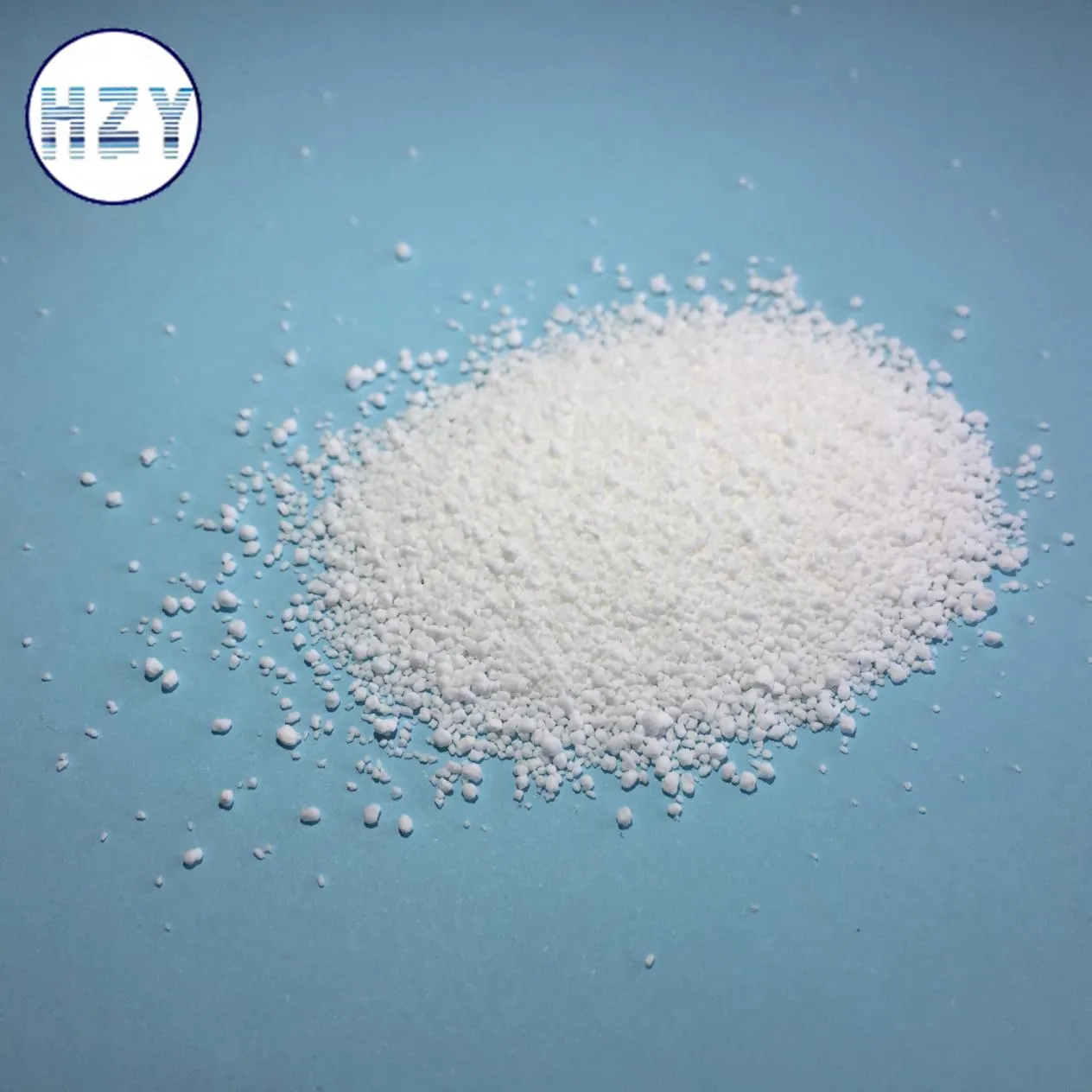
Dense Soda Ash: Features large and uniform granular particles, with a bulk density of 1.0–1.1 g/cm³. It tends to show excellent free‑flowing performance, low dust generation, stable mechanical dosing and strong high‑temperature tolerance. It is less likely to agglomerate during long‑distance sea transportation and bulk storage.
Light Soda Ash: Presents as fine powder with a lower bulk density of 0.5–0.6 g/cm³. It has a larger specific surface area, dissolves faster in water and reacts more intensely in liquid-phase environments. Nevertheless, it may easily produce dust and bridge during mechanical conveying, which is not suitable for high‑temperature furnace batching systems.
2. Grade Selection by Core Industrial Scenarios
2.1 Glass Manufacturing: Dense Soda Ash Is the Preferred Standard Grade
The glass industry consumes more than half of global soda ash output, and dense soda ash will tend to be the only reliable choice for float glass, container glass, architectural glass and automotive glass production.
Glass production requires continuous high‑temperature furnace batching and melting. Dense soda ash’s uniform granularity and low‑dust properties can maintain stable material ratio during automated batching, which may effectively avoid ingredient deviation caused by floating powder. Its good high‑temperature stability helps reduce the melting point of silica, lower furnace energy consumption, and improve glass transparency and internal structural uniformity.
If light soda ash is applied in glass production, excessive dust will likely cause furnace pipeline blockage and uneven melting reaction, further leading to defective glass with bubbles, stripes and poor flatness. For large‑scale glass factories, dense grade tends to dominate long‑term procurement plans.
2.2 Detergent & Daily Chemical Production: Light Soda Ash Is More Suitable
For industrial detergent, washing powder and daily chemical formula processing, light soda ash will likely become the mainstream option in global procurement.
Detergent production requires uniform mixing with powder raw materials and rapid dissolution in water to exert oil‑removing and pH‑buffering effects. The fine powder structure of light soda ash enables more sufficient mixing with surfactants and fillers, avoiding layered precipitation of finished detergent powder. Its fast dissolution speed tends to improve production efficiency and reduce stirring time in the synthesis process.
Dense soda ash, with large particles and slow dissolution, may lead to incomplete reaction and residual granular substances in finished detergents, which is not conducive to stable product quality. Therefore, daily chemical factories tend to prioritize light soda ash for formula batching.
2.3 Water Treatment: Flexible Selection Based On Process Conditions
Industrial and municipal water treatment uses soda ash for water softening, calcium/magnesium ion removal and wastewater pH adjustment. The two grades have differentiated application scenarios, and buyers may select according to on-site equipment and processes.
Light Soda Ash for Liquid Dosing Systems: In water treatment stations with pre‑dissolution dosing processes, light soda ash’s rapid water solubility tends to bring higher reaction efficiency, quickly completing water quality alkalinity adjustment and hardness removal. It fits small and medium-sized water treatment projects with high requirements for reaction speed.
Dense Soda Ash for Bulk Dry Dosing Systems: For large municipal water plants and industrial circulating water systems that adopt direct dry powder dosing, dense soda ash’s low‑dust and free‑flowing features can reduce equipment blockage and dust pollution, stabilize long‑term continuous dosing, and lower on-site operation risks.
3. Logistics & Storage Factors Affecting Grade Selection
For cross‑border bulk import buyers, physical characteristics also tend to affect transportation cost and storage stability.
Dense soda ash has higher single‑container loading capacity, lower dust loss during sea transportation, and a lower tendency to absorb moisture and agglomerate, making it more suitable for long‑term bulk stockpiling and long‑distance ocean shipping.
Light soda ash occupies larger volume per ton, with higher dust loss risk during handling, and may require more sealed storage measures, which is more suitable for short‑cycle and just‑in‑time procurement.
4. Quick Selection Cheat Sheet for Buyers
Choose Dense Soda Ash: Float glass, container glass, high‑temperature furnace batching, large dry dosing water treatment, long‑distance bulk export and long‑term warehousing.
Choose Light Soda Ash: Detergent & daily chemical formula mixing, fine chemical synthesis, pre‑dissolution water treatment process, liquid‑phase reaction production.
Conclusion
Although light and dense soda ash are chemically identical, their physical differences tend to determine their irreplaceable positioning in mainstream industrial scenarios. From 2026 to 2030, dense soda ash will likely maintain absolute advantages in the glass manufacturing industry, while light soda ash will tend to stabilize its market share in detergent and fine chemical fields. Water treatment buyers need to match grades according to actual dosing processes to balance production efficiency and comprehensive costs.
CTA: Contact us to obtain detailed technical datasheets, COA, SDS and bulk FOB/CIF quotations for light and dense soda ash. We provide grade selection guidance tailored to your production processes.