

Soda ash is an essential industrial raw material for flat glass, container glass, detergents, chemicals, and metallurgy. For global bulk importers, stable lead time is the foundation of reliable inventory scheduling, continuous production, and predictable procurement costs. Unlike finished goods, soda ash bulk shipping cycles are heavily affected by recurring seasonal patterns in production output, maritime logistics, downstream consumption, and industry maintenance windows.
Understanding these seasonal variables helps international buyers avoid shipment delays, optimize order placement, and mitigate supply chain volatility throughout the year.
1. Seasonal Production Maintenance and Supply Tightness
Global soda ash production follows a fixed seasonal maintenance cycle that directly constrains export availability. Major manufacturing bases conduct routine equipment overhauls from May to July annually. During this summer maintenance window, plant operating rates decline noticeably, spot supply contracts, and factory order backlogs increase. Bulk orders confirmed in this period typically face extended production lead times and delayed vessel loading.
From September to November, production conditions stabilize with cooler temperatures. Plant utilization rates rise to yearly highs, creating sufficient exportable cargo and faster order fulfillment. In the first quarter each year, post-holiday production resumption and equipment commissioning create a short-term supply gap, often delaying early-year bulk shipments.
2. Peak and Off-Peak Maritime Logistics Cycles
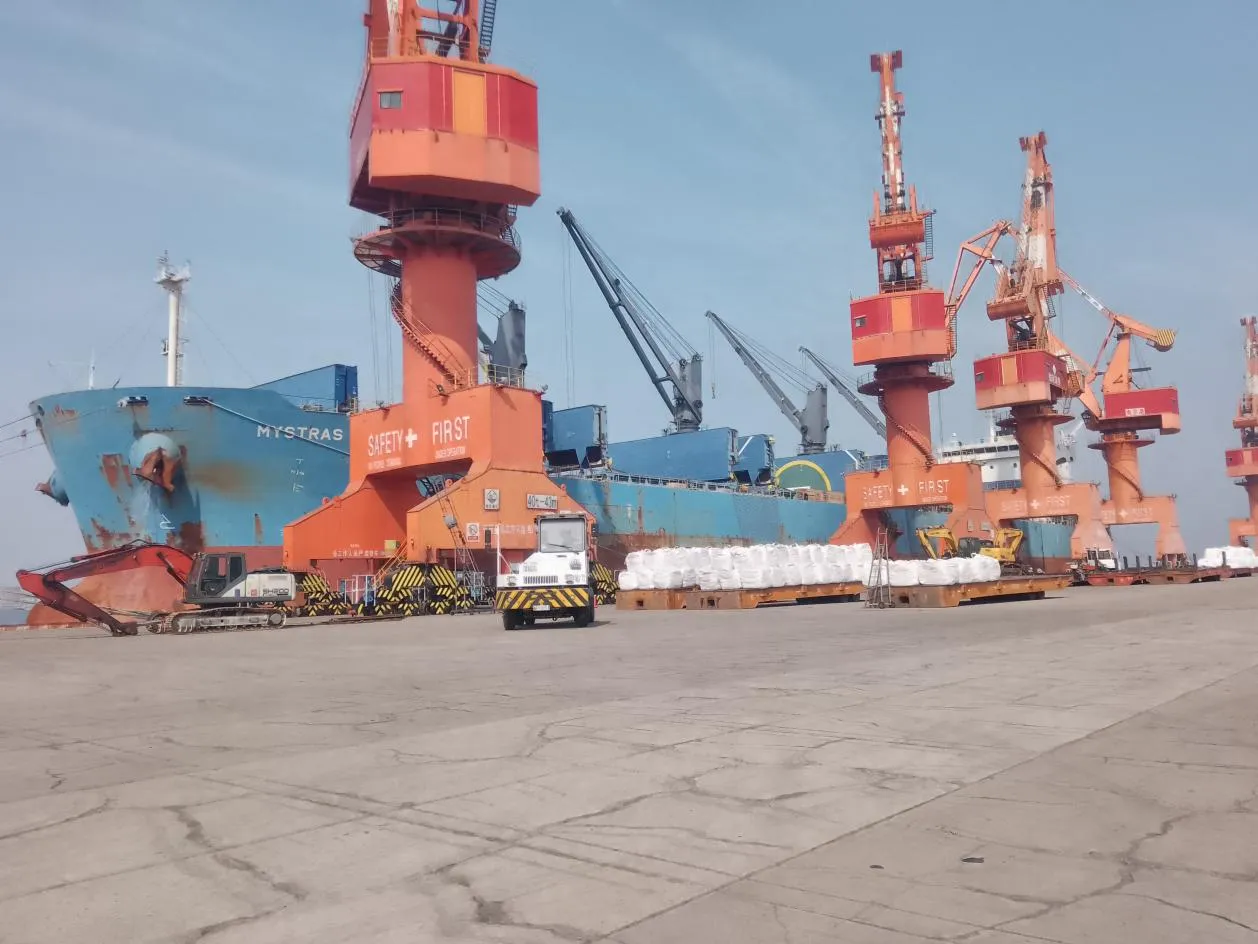
Ocean freight volatility is one of the most critical external factors affecting soda ash bulk import lead time. The annual shipping peak spans August through December, driven by year-end Western holiday stocking. During this period, port congestion, container tightness, and peak season freight surcharges are prevalent, adding 10–20 days of transit and berthing delays for bulk industrial cargoes.
The Lunar New Year interval presents the most disruptive seasonal logistics risk. Ports, forwarders, and inland logistics services scale back operations substantially one to two weeks before the holiday. Pending bulk shipments are suspended until full post-holiday industrial and logistics recovery. March to July remains the most stable logistics window, with adequate vessel space, smooth customs clearance, and predictable lead time performance.
3. Seasonal Fluctuations in Downstream Industrial Demand
Downstream industry consumption creates clear seasonal demand cycles that reshape order urgency and delivery queues. The third quarter is the traditional peak season for soda ash consumption, as glass manufacturers, detergent factories, and textile chemical processors ramp up production and raw material stocking. Strong regional procurement from Southeast Asia further intensifies global bulk order concentration.
Concentrated peak-season orders overload production and logistics capacity, resulting in longer queuing times and extended lead times. In the second quarter, downstream industries generally destock, market purchasing sentiment weakens, and manufacturers have spare capacity, enabling faster and more flexible bulk order delivery. The fourth quarter sees gradual inventory digestion and stable order rhythms.
4. Regional Holiday and Seasonal Policy Impacts
Global seasonal operational changes create periodic supply chain interruptions. Short statutory holidays cause temporary pauses in production, loading, and customs clearance. In European markets, rising winter energy costs reduce local soda ash output and export competitiveness, increasing global reliance on Asian supply and tightening overall bulk cargo availability during cold seasons.
Practical Lead Time Optimization for Bulk Importers
To stabilize procurement cycles and reduce seasonal delay risks, importers can adopt targeted seasonal ordering strategies. Advance bulk procurement 2–3 months before summer maintenance and year-end shipping peaks effectively avoids supply shortages and freight congestion. Dynamic inventory adjustment — higher safety stock during Q1 and Q3 demand peaks and leaner stocking in low-demand seasons — balances capital efficiency and supply security.
Long-term cooperative frameworks with qualified manufacturers and carriers ensure priority production and loading rights during peak seasons. Continuous monitoring of industry maintenance schedules, freight market trends, and downstream demand cycles enables data-driven order planning and stable year-round lead time management.
Conclusion
Soda ash bulk import lead time variations are driven by overlapping seasonal patterns in production, logistics, market demand, and regional operational schedules. By recognizing these cyclical rules and implementing seasonal procurement optimization, global importers can effectively reduce supply chain uncertainty, stabilize delivery schedules, and achieve more cost-effective and resilient raw material procurement.
Weifang Haizhiyuan Chemistry and Industry Co., Ltd. holds independent importexport rights and has obtained ISO9001 quality management system certification. The company exports light soda ash and dense soda ash (industrial grade and food grade) with product purity ≥99.2%.
We provide onestop foreign trade services including product selection, quality inspection, COA and SDS document preparation, customs declaration and port loading. Thirdparty inspections by SGS and Intertek prior to shipment are acceptable. Our products are sold to many markets across Southeast Asia, the Middle East, North America and other regions worldwide.
With stable supply sources, we accept spot orders and annual longterm framework orders, and support various trade terms including FOB, CFR and CIF. Our international sales team follows up the whole order process and reminds clients of seasonal leadtime risks in the industry, so as to guarantee stable rawmaterial supply for overseas buyers.
We sincerely welcome global purchasers to discuss cooperation and build a longterm winwin supply chain.