

Industrial soda ash (sodium carbonate) is supplied in two mainstream forms: granular soda ash and powdered soda ash. While both share the same chemical formula Na₂CO₃ and core industrial functions, their physical differences lead to huge gaps in storage stability, dust pollution, operational safety, and application scenarios. For manufacturers, procurement managers and warehouse operators, distinguishing the characteristics of granular and powder soda ash and mastering standardized handling methods is critical to avoiding material waste, safety hazards, and production quality fluctuations.
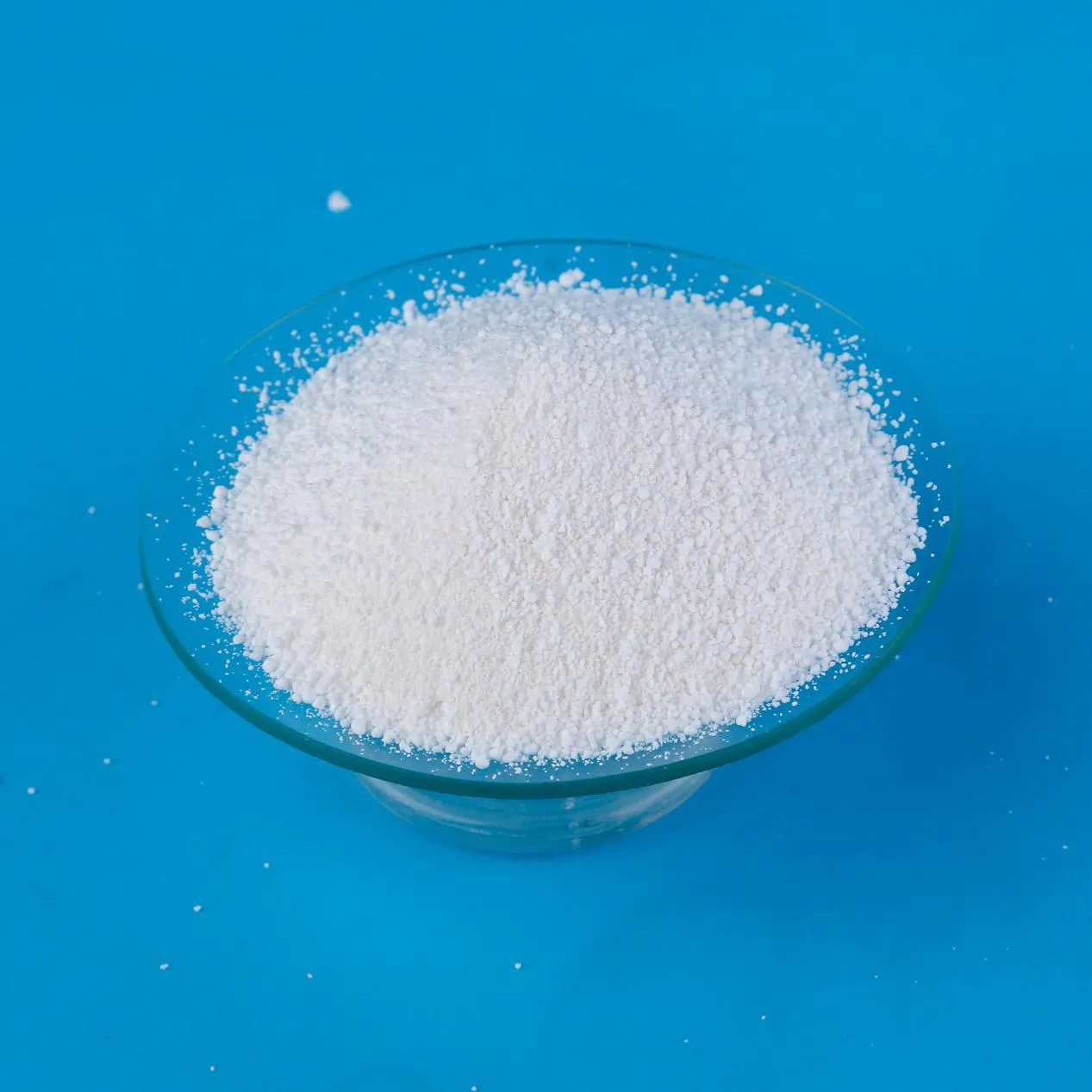
1. Core Physical Differences Between Granular & Powder Soda Ash
The most essential distinction lies in particle size and bulk density. Granular soda ash features uniform, coarse particles with low specific surface area and high bulk density. Powdered soda ash is finely crushed with tiny particle size, large specific surface area, and loose texture. This fundamental difference triggers all subsequent risks in storage, transportation and handling.
2. Storage Risk Comparison
2.1 Moisture Absorption & Caking Risk
Granular Soda Ash: With a smaller specific surface area, it contacts less air and moisture. It has extremely low moisture absorption and caking tendency under standard dry warehouse conditions. It can be stored for a long time with stable physical properties, hardly deteriorating or agglomerating. It is suitable for long-term inventory storage and large-volume stockpiling.
Powdered Soda Ash: The fine powder structure brings a large specific surface area, making it highly hygroscopic. It easily absorbs water vapor in the air, leading to deliquescence, hard caking, and even partial chemical deterioration. In humid environments, powder soda ash is prone to wall adhesion and bulk agglomeration, which not only affects material utilization but also causes uneven feeding during production.
2.2 Storage Stability & Shelf Life
Granular soda ash maintains complete particle morphology and stable purity within the valid storage period. It has low requirements for warehouse humidity and is less affected by temperature changes. Powdered soda ash has strict storage environment requirements. High temperature and humidity will accelerate material deterioration, shorten shelf life, and cause purity and fineness indicators to fail to meet production standards.
3. Dust Issue & Safety Hazards
3.1 Dust Pollution Degree
Granular Soda Ash: Almost no dust during feeding, handling, transportation and unpacking. The coarse particles are not easy to float, which keeps the workshop environment clean and effectively reduces material loss caused by flying dust.
Powdered Soda Ash: Serious dust overflow in all operation links. Fine powder is easy to fly with air flow, forming a large amount of suspended dust in the workshop. Long-term dust accumulation will cause residual materials on equipment and ground, increasing cleaning costs.
3.2 Occupational & Operational Safety Risks
Soda ash dust is irritating to human respiratory tract, skin and eyes. Long-term inhalation of powdered soda ash dust may cause respiratory discomfort and occupational health risks. In addition, excessive suspended alkaline dust in a closed workshop has potential dust explosion risks under specific conditions, and it is more likely to cause equipment corrosion and pipeline blockage compared with granular soda ash.
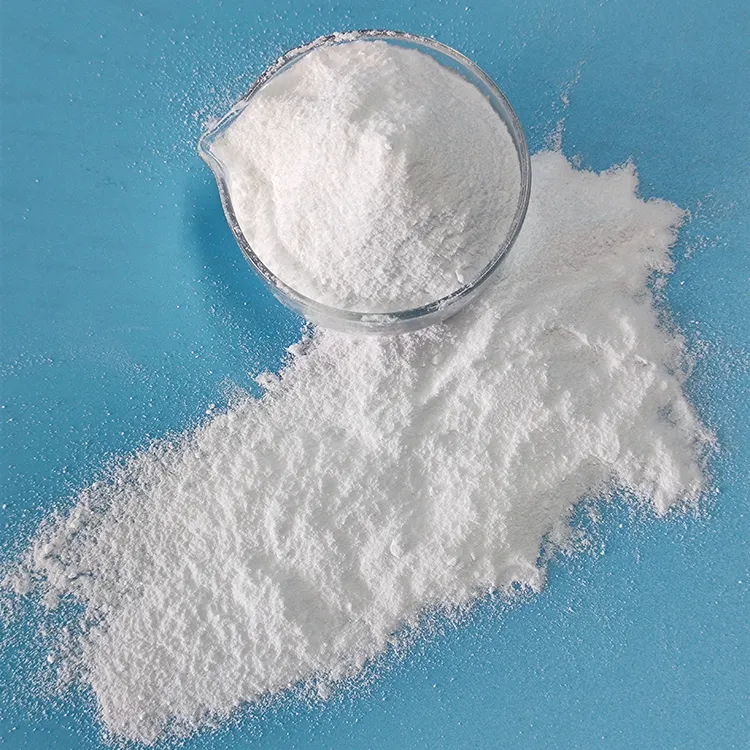
4. Practical Handling & Storage Tips for Both Types
4.1 Universal Standard Tips
Store soda ash in a dry, cool and ventilated indoor warehouse, strictly away from rain and ground water immersion. Keep sealed packaging intact before use, and avoid long-term open placement. Separate storage from acidic materials to prevent chemical reaction and failure. Adopt stacking height specification to prevent package damage and material extrusion caking.
4.2 Special Tips for Granular Soda Ash
Granular soda ash has low risk tolerance, with loose management requirements. It is suitable for bulk stacking and long-distance transportation. During handling, only conventional anti-collision and package damage prevention are needed. It is the preferred choice for large-scale industrial production scenarios with high demand for stable feeding and low dust requirements.
4.3 Special Tips for Powdered Soda Ash
First, strictly control warehouse humidity, preferably kept below 60% RH to suppress moisture absorption and caking. Second, adopt closed feeding and dust removal equipment during operation, and operators must wear dust masks, protective gloves and goggles. Third, shorten the inventory cycle and follow the principle of first-in first-out to avoid long-term storage deterioration. Fourth, clean workshop and equipment dust regularly to eliminate potential safety hazards.
5. How to Choose: Granular or Powder Soda Ash?
Choose Granular Soda Ash: For scenarios requiring long-term storage, large-volume transportation, low dust pollution, stable feeding and low maintenance costs, such as glass manufacturing, metallurgy, and large-scale chemical raw material processing.