

Soda Ash vs Sodium Bicarbonate: Key Application Differences in Industrial Processing
Soda ash (sodium carbonate, Na₂CO₃) and sodium bicarbonate (baking soda, NaHCO₃) are two common alkaline inorganic chemicals with similar chemical origins, yet they tend to serve completely different roles in industrial manufacturing. Many global industrial buyers and process engineers tend to confuse the two chemicals due to their identical alkaline properties. However, mismatched chemical selection may likely lead to unstable product quality, low processing efficiency, or unnecessary production costs.
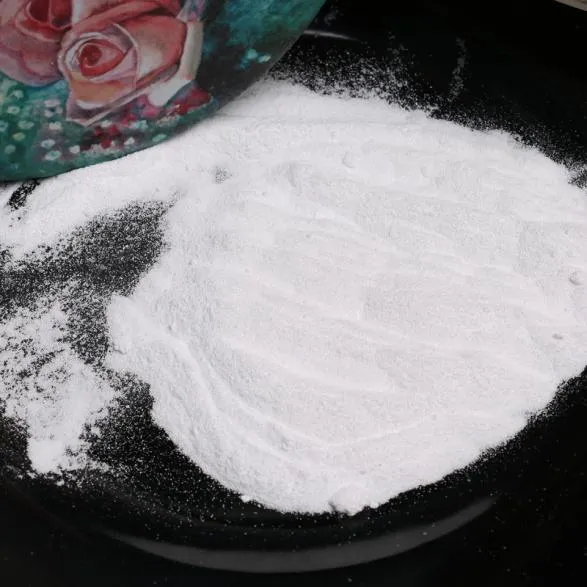
1. Core Chemical & Physical Property Differences (Foundation for Application Segmentation)
Property differences fundamentally determine their industrial application boundaries. Soda ash is a medium‑strong alkali with higher pH value and stronger chemical reactivity, and it tends to maintain stable performance under high‑temperature industrial conditions. It is slightly hygroscopic and may cake during long‑term storage, which is acceptable for heavy industrial production scenarios.
In contrast, sodium bicarbonate is a mild alkali with lower corrosiveness and weaker alkalinity. It tends to decompose at temperatures above 60℃ to release carbon dioxide, featuring unique foaming and leavening effects. Its low toxicity and gentle reaction characteristics make it likely suitable for food, pharmaceutical, and fine processing fields rather than heavy industrial manufacturing.
2. Industrial Application Scenario Segmentation
2.1 Soda Ash: Dominant in Heavy Industrial Manufacturing
Soda ash will tend to remain the core raw material for heavy industrial production worldwide, relying on its high alkalinity and thermal stability.
Glass Manufacturing: As the largest downstream consumption field of soda ash, the glass industry likely accounts for over 50% of global soda ash demand. Soda ash acts as a fluxing agent to reduce the melting point of silica, lower production energy consumption, and improve glass transparency and structural stability. Both light and dense soda ash are applicable, while dense soda ash tends to be more popular for large‑scale float glass production due to better fluidity.
Industrial Water Treatment & Softening: Soda ash is widely used to remove calcium and magnesium ions in hard water, forming insoluble carbonate precipitates to achieve water softening. It can also adjust industrial wastewater pH values and assist flocculation treatment. Industrial water treatment projects tend to prefer low‑cost, high‑purity industrial‑grade soda ash for large‑scale dosing.
Detergent & Daily Chemical Production: Its strong oil‑neutralizing and decontamination capabilities make soda ash a key auxiliary material for industrial detergents and soap production. It can effectively decompose grease and enhance detergent activity, and will likely maintain stable demand in the industrial cleaning field.
Paper & Textile Industry: Soda ash is used for pulp fiber separation and textile dyeing pH adjustment, stabilizing dyeing effects and improving fiber toughness, which is an indispensable auxiliary chemical for the traditional manufacturing industry.
2.2 Sodium Bicarbonate: Focused on Fine Processing, Food & Special Industrial Scenarios
Sodium bicarbonate’s mild alkalinity and thermal decomposition foaming properties make it likely irreplaceable in high‑standard fine processing fields.
Food Processing Industry: Food‑grade sodium bicarbonate tends to be the mainstream leavening agent for baked goods, pastries, and beverages. It decomposes during heating to release CO₂, creating a fluffy food texture without strong alkaline residue. It also serves as a food pH buffer and preservative auxiliary material, occupying a dominant position in food additive applications.
Fire Fighting & Dust Prevention: Sodium bicarbonate is a core raw material for dry powder fire extinguishers. Its thermal decomposition and flame‑retardant effects can effectively suppress oil and electrical fires, and it tends to be widely used in industrial fire protection systems.
Pharmaceutical & Fine Chemicals: With low irritation and mild neutralization performance, it is commonly used for medical acid neutralization and fine chemical synthesis. It may gradually expand application scenarios in high‑precision chemical processing.
Light Industrial Cleaning: Unlike soda ash with strong corrosiveness, sodium bicarbonate is suitable for precision equipment cleaning and daily mild decontamination, avoiding equipment corrosion and surface damage.
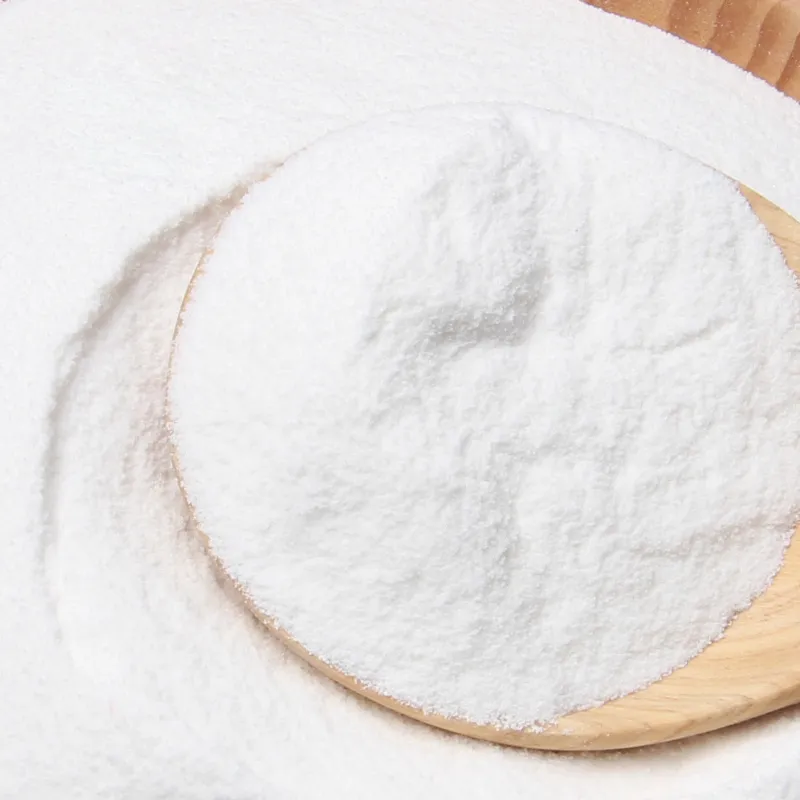
3. Key Mistakes in Industrial Selection & Consequences
Many industrial purchasers tend to substitute the two chemicals blindly to save costs, which may trigger production risks:
Replacing soda ash with sodium bicarbonate in glass and heavy industrial fields: Insufficient alkalinity and poor high‑temperature stability will likely lead to unqualified product hardness, unstable production processes, and reduced output efficiency.
Replacing sodium bicarbonate with soda ash in food and fine processing fields: Excessive alkalinity and residual substances may cause product safety hazards, fail food safety testing, and trigger compliance risks.
Improper substitution in water treatment: It may lead to unstable pH adjustment, poor water softening effects, and increased overall treatment costs.
4. Quick Selection Guidelines for Industrial Buyers
Choose soda ash if your projects involve glass manufacturing, large‑scale industrial water softening, industrial detergent production, paper making, and heavy chemical processing.
Choose sodium bicarbonate if your scenarios cover food production, pharmaceutical processing, fire extinguisher manufacturing, precision cleaning, and fine chemical synthesis.
Conclusion
Soda ash and sodium bicarbonate cannot be universally replaced in industrial processing. Soda ash will tend to dominate heavy industrial scenarios relying on high alkalinity and stability, while sodium bicarbonate will likely maintain advantages in fine processing and high‑safety industrial fields. Global industrial demand for both products tends to remain stable in 2026–2030, with incremental demand concentrated in food fine processing and high‑standard industrial manufacturing sectors.