

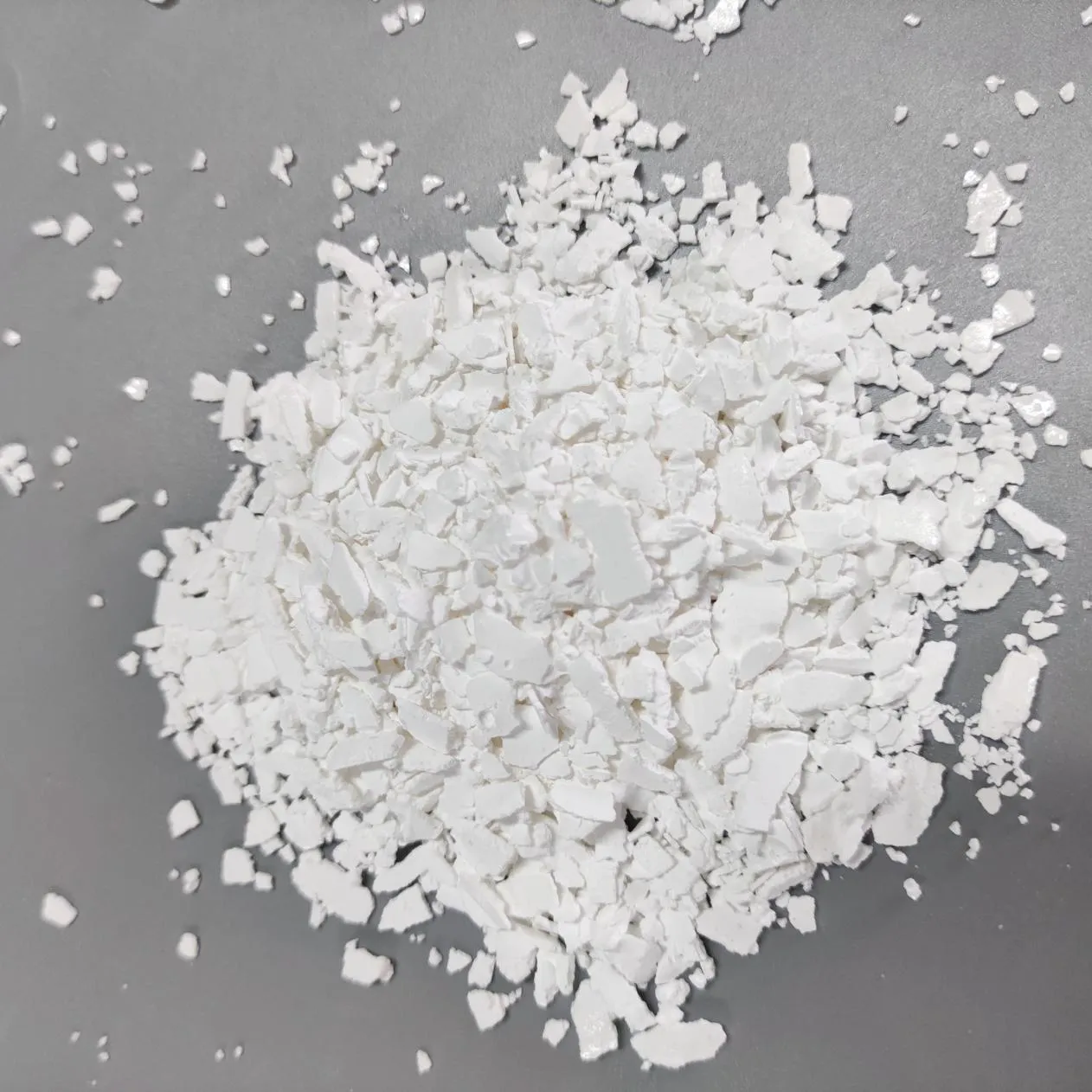
Calcium chloride (CaCl₂) is a widelyused inorganic salt for deicing, dust control, desiccant, oilfield, water treatment and refrigeration industries. Its market price keeps fluctuating frequently. Global buyers need to understand key drivers to arrange purchasing plans and avoid cost risks.
1. Seasonal Demand Shift
Season is one of the most direct triggers for calcium chloride price swings. In Northern Hemisphere, OctoberFebruary is peak season: massive orders come for road deicing and snowmelting. Tight market supply pushes prices upward by 1525% normally.
Offseason (MarchSeptember): deicing demand fades. Prices soften, mainly supported by industrial consumption including wastewater treatment, refrigeration and dust suppression.
Weather forecast matters: colder winter will bring extra purchasing surge and further lift spot prices.
2. Sodaash Byproduct Supply Constraints
Most Chinese 74% dihydrate calcium chloride comes as a byproduct from Solvayprocess soda ash plants, not independent dedicated production lines.
When sodaash profit is good, ammoniaalkali factories run at high operating rates, abundant byproduct CaCl₂ flows into market and keeps dihydrate price low.
Once sodaash market turns bearish, alkali mills cut output or reduce load. The byproduct calcium chloride yield drops sharply, directly tightening 74% dihydrate supply and triggering price hikes, even if raw material cost stays stable. 94% anhydrous calcium chloride is further processed from dihydrate feedstock. Therefore sodaash output changes will transmit to anhydrous grade as well with time lag.
3. Energy & Consumption Cost
Energy cost dominates calciumchloride manufacturing expense, especially for anhydrous grades.
74% dihydrate calcium chloride only needs evaporation & crystallization; energy pressure is moderate.
94% anhydrous calcium chloride requires deep dehydration process. Coal, natural gas and power price swings have huge impact on its production cost. When energy prices jump, anhydrous calcium chloride sees sharper cost increase than dihydrate. Regional powerrationing or highenergyconsumption production limits will also shrink available output.
4. Ocean Freight & International Logistics
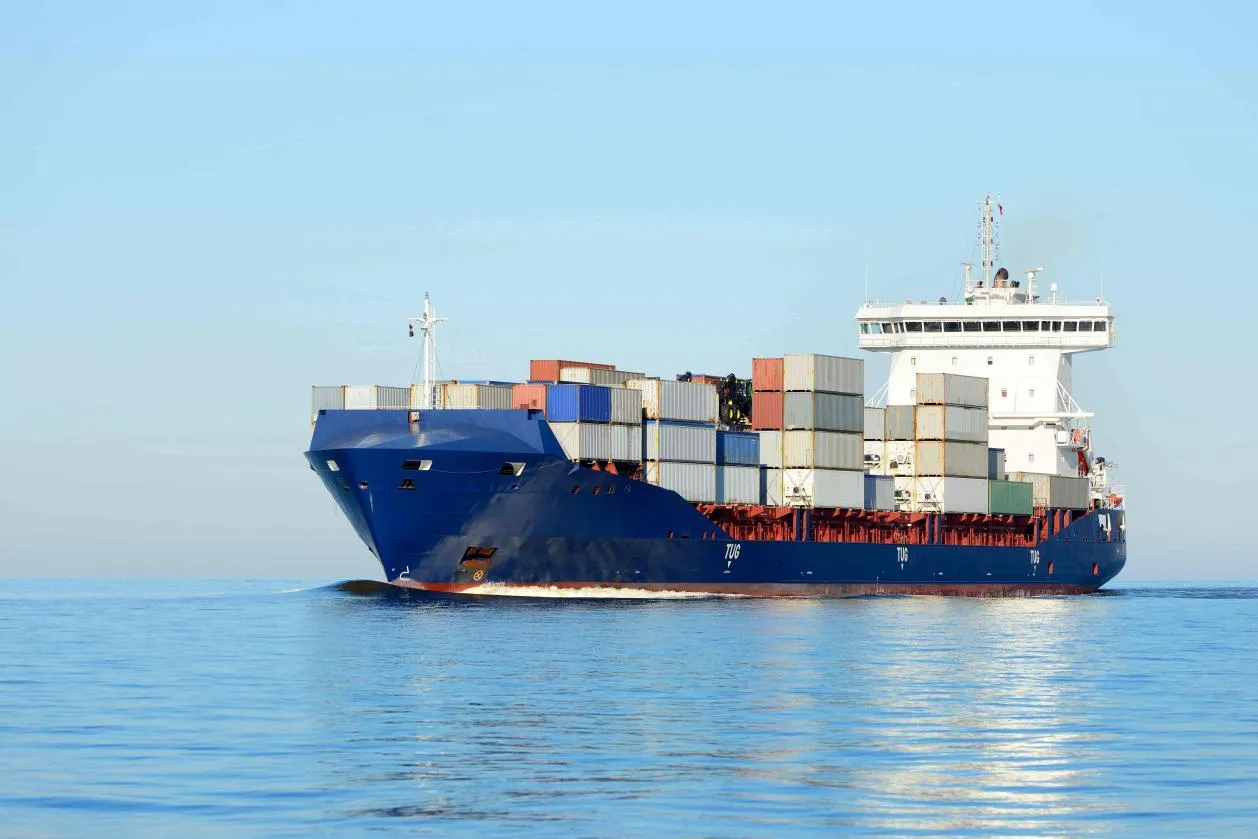
For exportoriented calcium chloride suppliers, ocean freight is a critical variable of final landed cost. Container availability, bunker fuel price, port congestion and shipping route adjustments change FOBtoCFR gap heavily. Even if exfactory price remains unchanged, soaring sea freight will raise overall import cost for overseas buyers. Longdistance shipments to South Asia, Middle East and Latin America are more sensitive to freight volatility.
5. Different Volatility Behaviors: 74% Dihydrate vs 94% Anhydrous CaCl₂
These two mainstream grades show different priceswing patterns, which many purchasers overlook. 74% Dihydrate Calcium Chloride (CaCl₂·2H₂O)
Mainly sodaash byproduct; supply relies heavily on alkali plant operation status.
Shortterm price can spike rapidly when sodaash factories cut production, regardless of energy market.
Main applications: deicing, dust control, water treatment.
94% Anhydrous Calcium Chloride (CaCl₂)
Made from dihydrate via highenergy dehydration step.
Price follows two drivers: dihydrate rawmaterial price plus energy cost.
Wider cost base; its price fluctuates slower but with larger absolute price gap vs dihydrate.
Main applications: highefficiency desiccant, oilfield drilling, refrigerant, foodgrade scenarios.
Practical buying tip: Do not compare unitprice blindly. Calculate effective CaCl₂ content when evaluating real procurement cost.
Conclusion
Calcium chloride price volatility results from combined forces: seasonal demand cycles, sodaash byproduct output, energy expense, ocean freight, plus gradespecific features between dihydrate and anhydrous. Global importers should track sodaash operating rates, energy quotes and seasonal weather signals, to lock proper forward contracts and mitigate procurement risks.