Advantages of Selecting Premium Sodium Bicarbonate
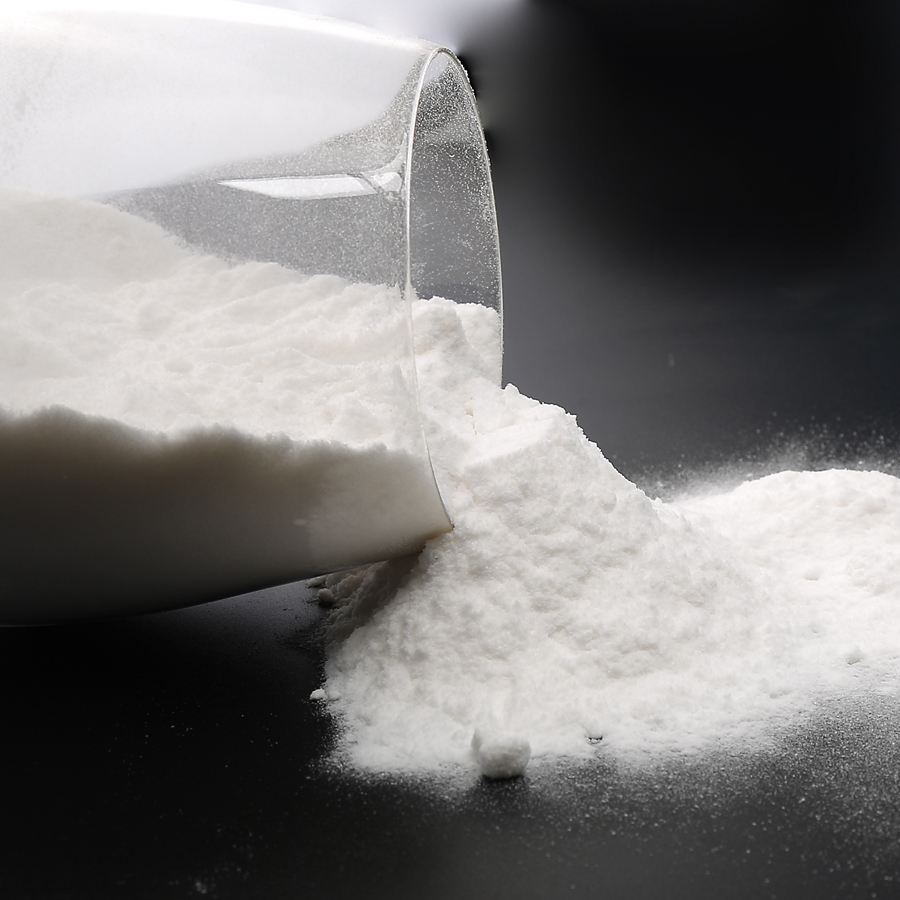
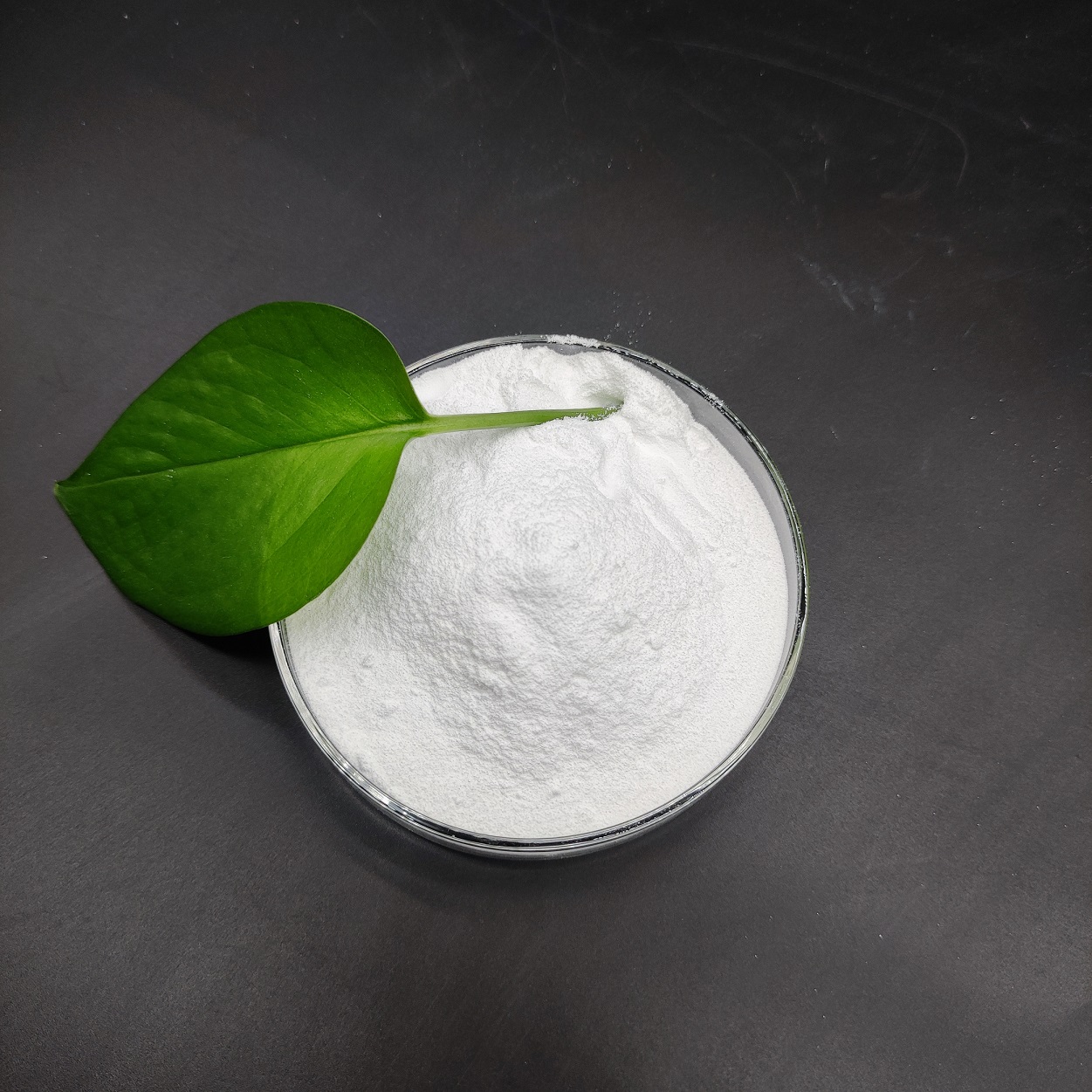
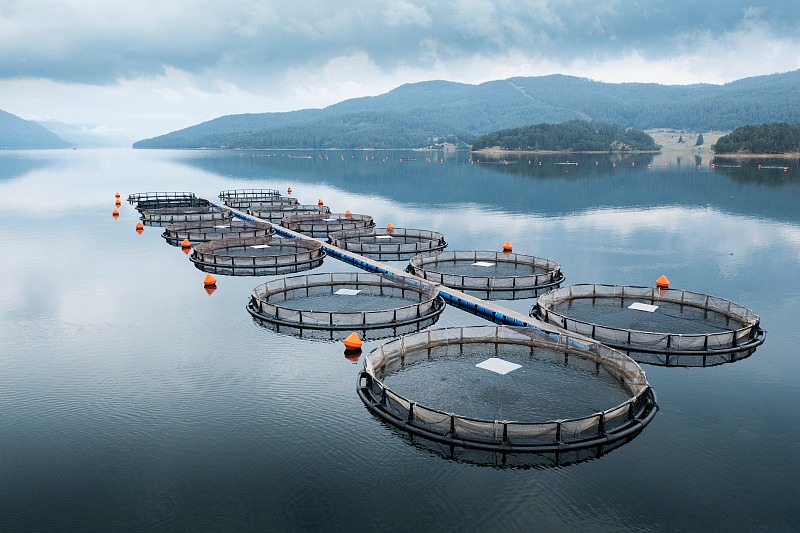
Premium sodium bicarbonate features uniform particles, high purity, low impurity content and stable chemical properties. Food-grade products meet international food safety standards, while industrial-grade products are available for bulk wholesale and customized packaging. Non-toxic, eco-friendly and cost-effective, this product is widely applied in household daily supplies, catering industry, agricultural planting, industrial production and other sectors, making it the preferred raw material for customers worldwide.
Safe Usage Specifications and Storage Methods
Sodium bicarbonate is a safe and natural multi-functional raw material. However, improper use and storage will weaken its performance and even bring potential safety hazards. The following is a standardized operation guide for daily and industrial scenarios.
1.1 Usage Precautions
Use products strictly by grade classification: Industrial-grade sodium bicarbonate is strictly forbidden for food processing, cooking, oral care and skin care. Industrial-grade products contain trace impurities that fail to meet food safety standards and may pose health risks. Only food-grade sodium bicarbonate can be used for food and skincare applications.
Avoid excessive oral administration: Although food-grade sodium bicarbonate can relieve gastric acid discomfort, long-term, frequent and excessive intake will disrupt the body’s acid-base balance, resulting in bloating, electrolyte disorders, gastrointestinal discomfort and other issues. Pregnant women, children and people with chronic gastrointestinal diseases shall use it under professional guidance.
Dilute before skin contact and crop spraying: High-concentration aqueous sodium bicarbonate solution is strongly alkaline. Prolonged direct contact may cause dryness, sensitivity, redness and irritation to the skin. When used for bathing or foliar spraying on crops, dilute it properly with water to prevent high alkalinity from damaging the skin barrier or crop leaves.
Keep away from strong acids: Sodium bicarbonate reacts violently with strong acids and releases massive carbon dioxide. Mixing them in confined spaces may lead to liquid splashing and excessive pressure inside containers. Store and use the two substances separately.
2.2 Scientific Storage Methods
Seal and store in moisture-proof conditions: Sodium bicarbonate is highly hygroscopic and prone to caking when damp, which greatly reduces its activity and performance. Keep it sealed in a dry and well-ventilated area to avoid moisture absorption.
Avoid high temperature and direct sunlight: Long-term exposure to heat and sunlight accelerates the decomposition of sodium bicarbonate, reduces product purity, and renders its functions such as leavening, cleaning and neutralization ineffective.
Separate storage by grade: Store food-grade and industrial-grade products separately to avoid cross-contamination. Keep them away from toxic, odorous and polluted materials to ensure product cleanliness and safety.
Manage shelf life: Even unopened sodium bicarbonate will gradually lose its efficacy after long-term storage. Regularly check the production date and shelf life, and replace expired products in a timely manner to maintain stable performance.