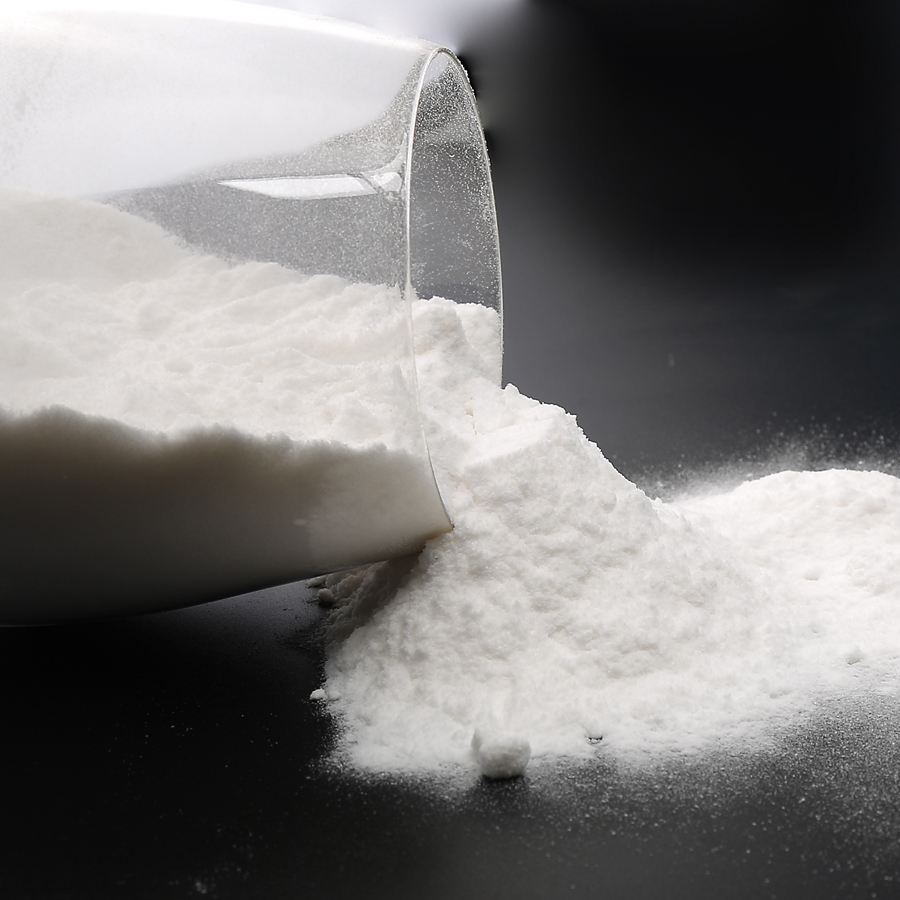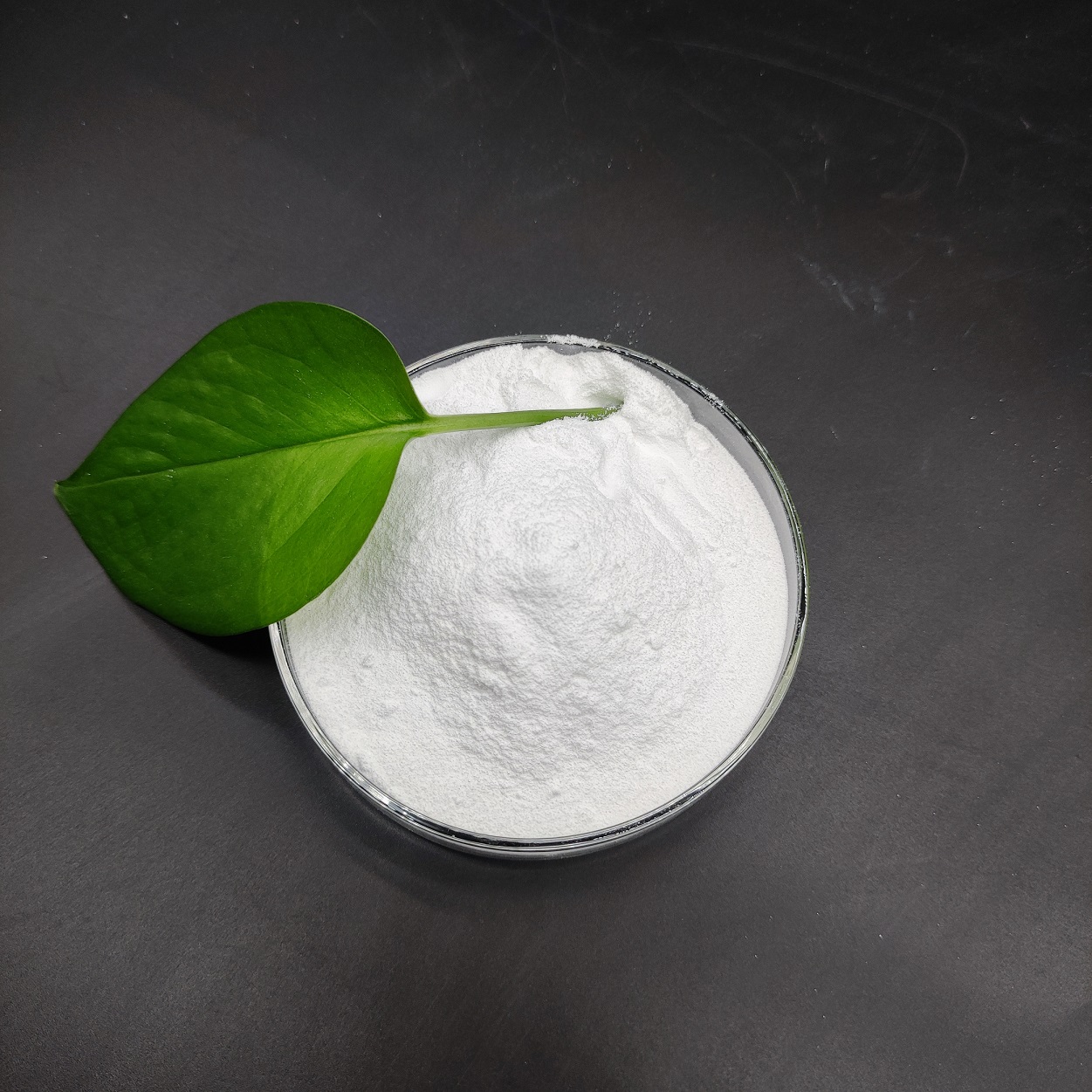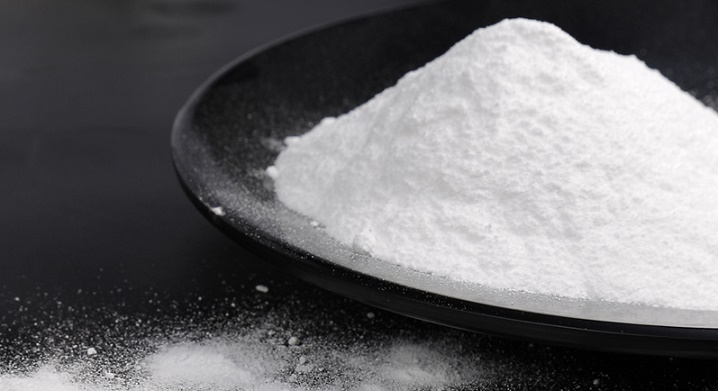
Soda ash, chemically named Sodium Carbonate (Na₂CO₃), is a vital inorganic chemical raw material known as the “Mother of Industry”. With its stable chemical properties, low cost, and wide adaptability, it has penetrated into various fields of industrial production and daily life, becoming an indispensable cornerstone of modern industry. This article will detail the core applications of soda ash, helping global readers and industry partners understand its value and application scenarios comprehensively.
1. Glass Industry: The Largest Consumption Field
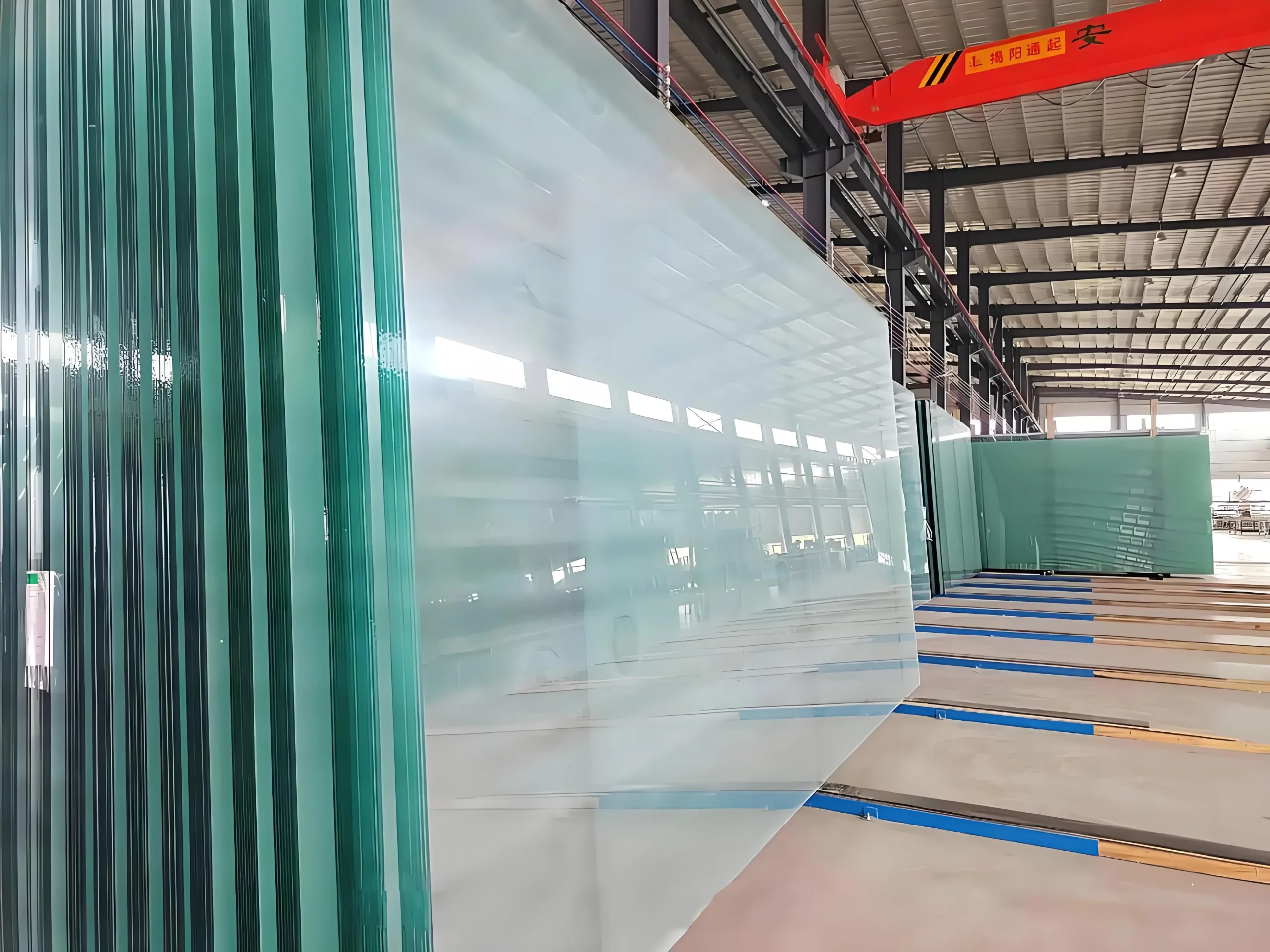
As the largest consumer of soda ash, the glass industry accounts for 50% to 60% of the global soda ash consumption. Soda ash serves as a key flux in glass production, which can significantly reduce the melting point of quartz sand—from about 1700℃ to 1400℃-1500℃—saving energy and reducing production costs effectively. Meanwhile, it helps improve the transparency, gloss, and chemical stability of glass by promoting the uniform mixing of raw materials and reducing bubbles and impurities.
Its specific applications include float glass for buildings, automotive glass for vehicles, photovoltaic glass for new energy power generation, glass containers for daily use, and optical glass for precision instruments. On average, each ton of glass requires about 0.2 tons of soda ash, which fully reflects its irreplaceable role in the glass industry.
2. Chemical Industry: The Foundation of Chemical Production
Soda ash is the core raw material for producing a variety of chemical products, and its application runs through the entire chemical industry chain. It is widely used to produce sodium bicarbonate (baking soda), sodium hydroxide (caustic soda), sodium silicate (water glass), sodium nitrate, borax, and trisodium phosphate. These downstream products are further applied in printing and dyeing, leather making, papermaking, and other industries.
In addition, soda ash is used for acid-base neutralization, dye fixation, and pulp cooking in the printing and dyeing industry, as well as for degreasing and impurity removal in the leather industry. It also serves as an important raw material for the production of fertilizers, pesticides, and dyes, providing strong support for the development of the chemical industry.
3. Metallurgical Industry: Efficient Flux and Desulfurizer
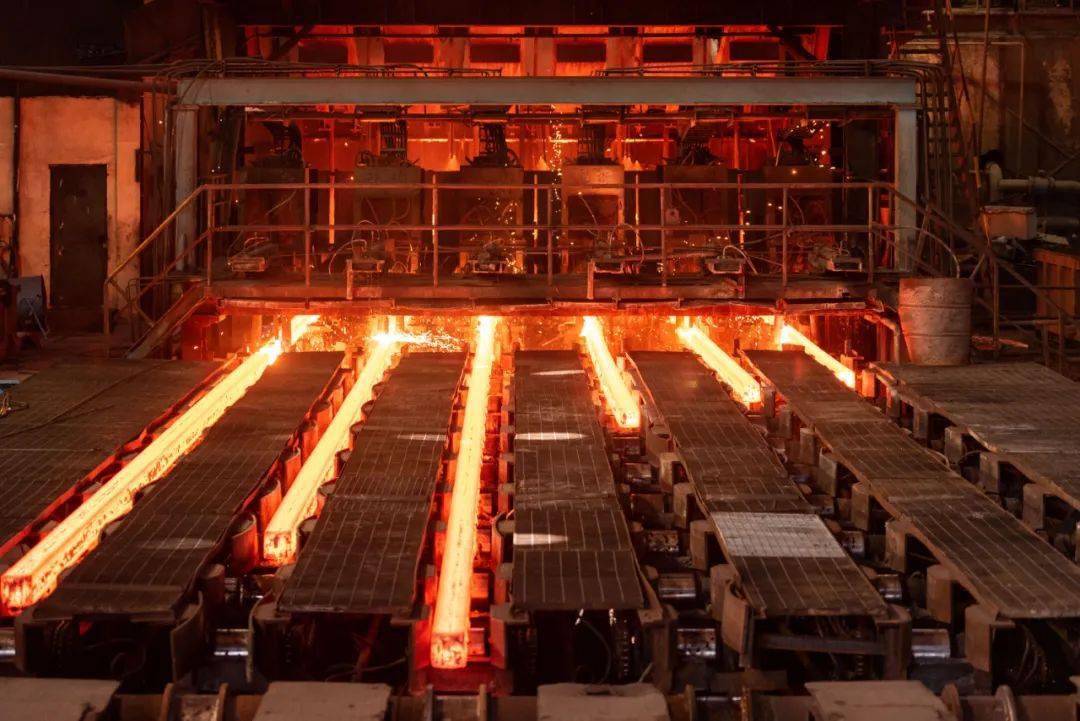
In the metallurgical industry, soda ash plays an important role as a flux and desulfurizer. In steelmaking, it can remove sulfur and phosphorus impurities in pig iron—converting sulfur into sulfur dioxide and sulfur trioxide to escape, and reacting with phosphorus oxides to form slag that is easy to separate from molten steel, thus improving the purity and toughness of steel.
In non-ferrous metal smelting (such as aluminum smelting), soda ash helps reduce the melting point of raw materials, improve the fluidity of slag, and increase the recovery rate of metals. It is reported that about 400kg of soda ash is needed to smelt 1 ton of aluminum, which shows its important position in non-ferrous metal smelting.
4. Food Industry: Safe and Reliable Food Additive
Food-grade soda ash (purity ≥99.9%, low heavy metal content) is widely used in the food industry as an acidity regulator, leavening agent, and dough improver. It is compliant with international food safety standards and is safe for human consumption when used in appropriate amounts.
In the production of pasta such as steamed buns, bread, noodles, and biscuits, food-grade soda ash neutralizes the acid produced during fermentation, generates carbon dioxide to make the dough fluffy, and improves the elasticity and taste of the pasta. It is also a key ingredient in traditional alkaline foods such as alkaline noodles and zongzi, and is used as a neutralizer in the production of monosodium glutamate and chemical soy sauce.
5. Daily Chemicals & Environmental Protection: Cleaning and Purification
In the daily chemical industry, soda ash is an important raw material for detergents such as laundry powder, soap, and dishwashing liquid. It can soften hard water, decompose grease, and enhance decontamination ability, making cleaning more efficient. It is also used in wool rinsing, bath salts, and pharmaceutical excipients, bringing convenience to daily life.
In environmental protection, soda ash is widely used in water treatment—adjusting the pH value of industrial wastewater, boiler water, and municipal water supply, softening water quality, and removing calcium and magnesium ions to reduce scaling and protect equipment. It also plays a role in the treatment of industrial waste gas, contributing to environmental protection and green development.
6. Other Emerging Applications
With the rapid development of the new energy industry, soda ash has become an indispensable raw material in the production of lithium batteries, sodium batteries, and photovoltaic glass, becoming an important growth pole for soda ash demand. In addition, it is used as an accelerator in black-and-white and color developer solutions in photography, and as a reference substance for acid calibration in quantitative analysis, showing its wide application prospects