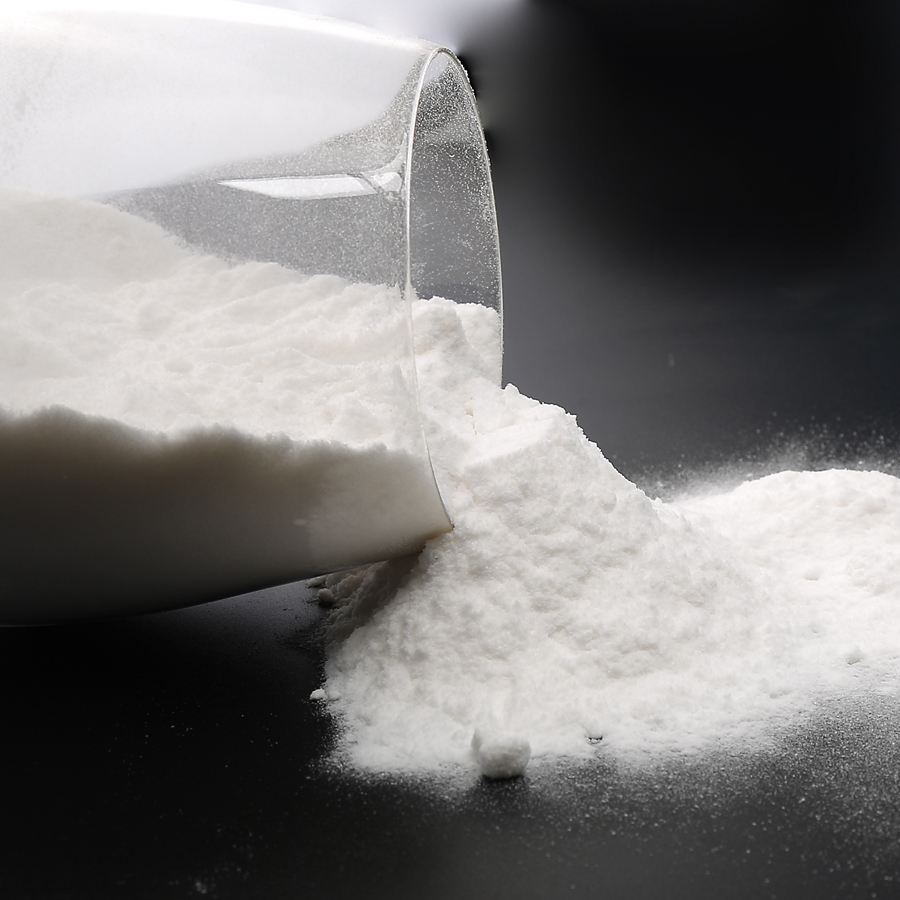
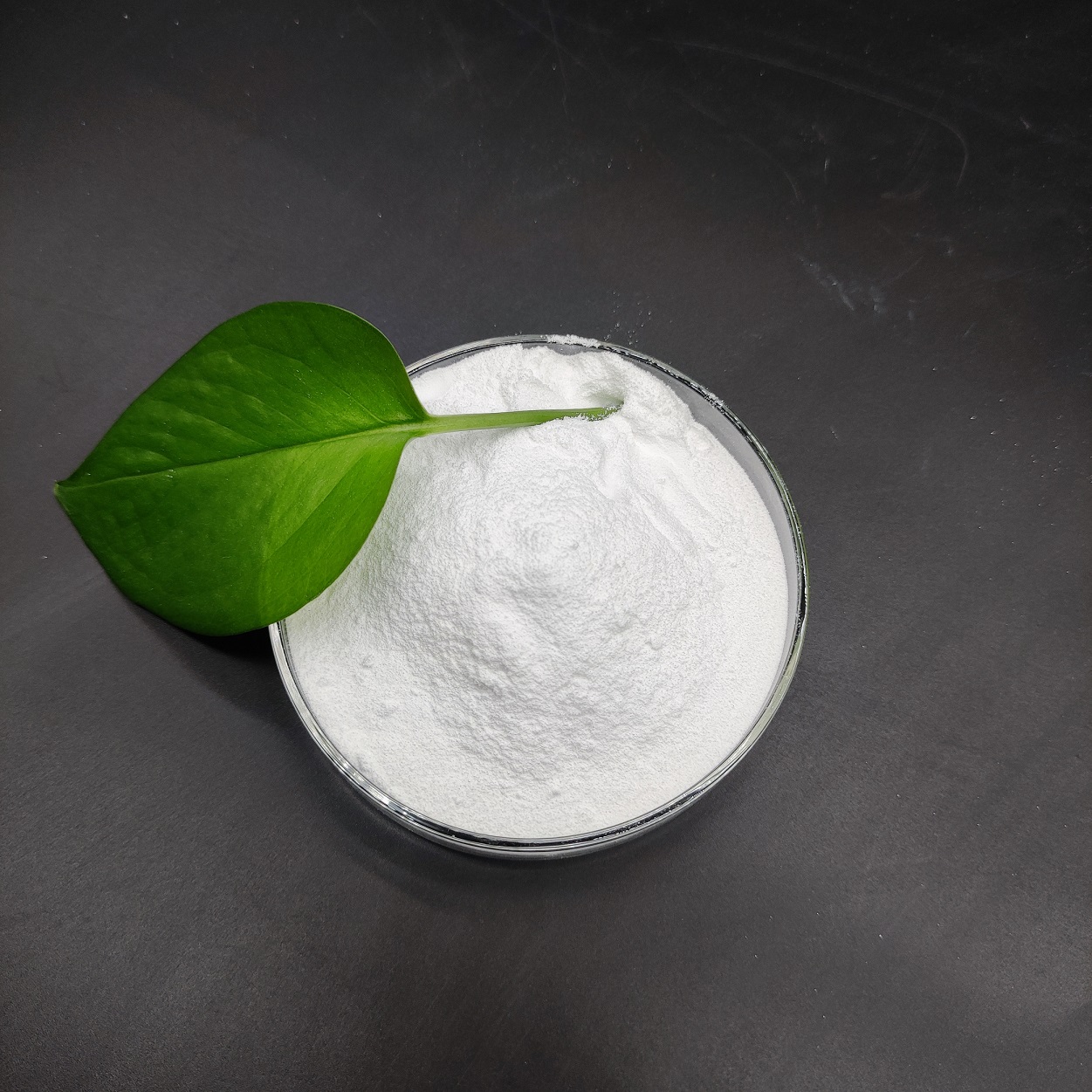
Applications of Calcium Chloride Desiccant
Granular anhydrous calcium chloride is commonly filled into drying tubes as a desiccant. Kelp (or kelp ash) dried with calcium chloride can be used for soda ash production.
Some household dehumidifiers adopt calcium chloride to absorb moisture in the air.
Calcium chloride also serves as a desiccant and dehydrating agent for gases and organic liquids.
Being neutral in nature, it can dry acids, alkalis and organic liquids, and is applied in laboratory preparation of small-quantity gases such as nitrogen, oxygen, hydrogen, hydrogen chloride, sulfur dioxide, carbon dioxide and nitrogen dioxide.
It cannot be used to dry ethanol and ammonia, for they will react with calcium chloride to form alcoholate and ammoniate .
Anhydrous calcium chloride acts as a household air moisture absorbent. Approved by FDA, it is used in first-aid dressings to keep wounds dry.
Spread anhydrous calcium chloride on sand and gravel roads to control road surface humidity.
Calcium Chloride as De-Icer and Cooling Bath Agent
Spreading calcium chloride hydrate can prevent icing, remove ice and melt snow. However, the melted salt water will damage local soil and vegetation and deteriorate road concrete.
Calcium chloride solution can be mixed with dry ice to prepare low-temperature cooling baths.
Add rod-shaped dry ice into salt water in batches until ice blocks form in the system.
Salt solutions of different types and concentrations maintain different stable temperatures for cooling baths.
Generally, calcium chloride is the preferred salt raw material. The required stable temperature can be obtained by adjusting its concentration. It is not only cheap and easily accessible, but also features an extremely low eutectic temperature as low as -51.0°C, enabling adjustable temperatures ranging from 0°C to -51°C. The cooling process can be conducted in Dewar flasks, or ordinary plastic containers when Dewar flasks are insufficient in volume.
Calcium Chloride as Calcium Ion Source
Adding calcium chloride to swimming pool water turns the water into a pH buffer and increases water hardness, thus reducing erosion on pool wall concrete.
In accordance with Le Chatelier’s principle and common-ion effect, increasing calcium ion concentration in pool water slows down the dissolution of essential calcium compounds in concrete structures.
Adding calcium chloride to seawater in marine aquariums raises available calcium content for aquatic organisms, helping mollusks and coelenterates form calcium carbonate shells.
Compared with calcium hydroxide and calcium reactors, calcium chloride exerts the slightest impact on water pH value.
Other Applications
Solid hydrated calcium chloride can be used as phase-change energy storage material.
For instance, calcium chloride hexahydrate is applicable to industrial waste heat recovery and solar heat absorption and utilization. Its phase-change latent heat reaches 190 KJ/mol suitable for medium and low temperature scenarios. Nevertheless, like all inorganic hydrated salt phase-change materials, it has severe supercooling phenomenon with supercooling degree up to 20°C, which needs nucleating agents to solve.
Calcium chloride accelerates the initial setting of concrete, yet chloride ions will corrode steel bars, so it is forbidden to be used in reinforced concrete. Thanks to its hygroscopicity, anhydrous calcium chloride can retain proper moisture for concrete.
Calcium chloride is also used as additive in plastics and fire extinguishers, filter aid in wastewater treatment, blast furnace additive to control raw material agglomeration and adhesion and avoid burden sinking, as well as binder in textiles.